

Physiotherapy in Mayfair, London
Muscle Injury Physio in Mayfair, London
A pulled muscle sounds minor, and many are. But the same sudden pain in the back of the thigh can be a small strain that settles in a fortnight, a tear running into the tendon that needs two months, or not a muscle injury at all. What looks like a calf strain can be a blood clot or a ruptured Achilles; a nagging quad strain can be coming from the hip or the lower back. Working out exactly what you have injured, and how badly, is the foundation of everything that follows.
At Physio Remedies, we treat muscle strains and tears in everyone from office workers who pulled a calf running for a bus to professional athletes on a tight return date. Between us, we have looked after athletes at Olympic, Commonwealth and World Games, spent a decade at the English Institute of Sport, and worked in professional rugby with the Barbarians. We grade muscle injuries the way elite sport does, rebuild strength rather than waiting for pain to fade, and measure your recovery objectively, because a muscle that feels fine is not the same as a muscle that is ready.
How Is Your Muscle Injury Affecting You?
You felt something go mid-sprint, mid-lift or mid-match.
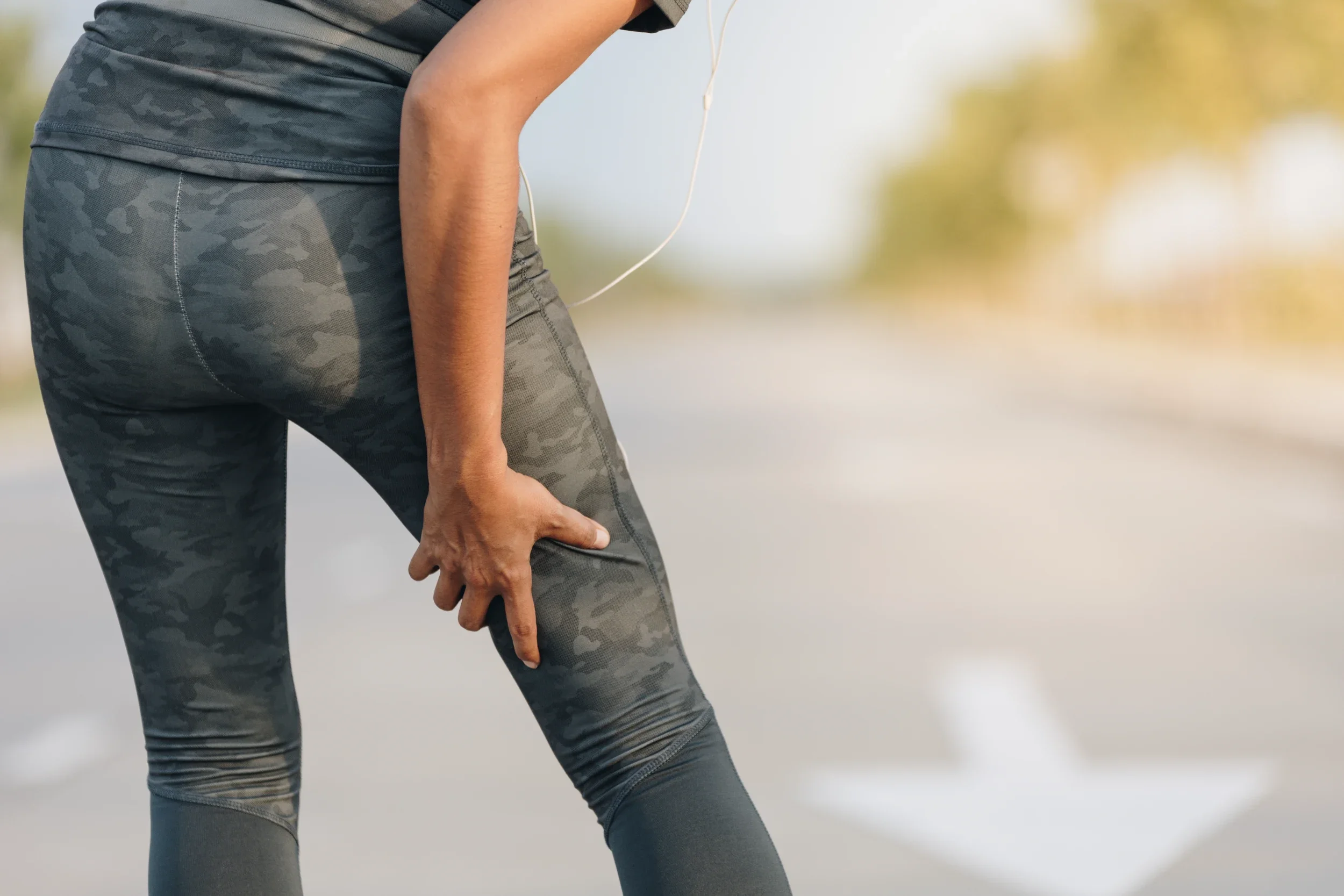
A sudden grab in the hamstring, calf, thigh or arm, and now you are limping, or you cannot push, press or sprint. You want to know how bad it is, whether it needs a scan, and how long you will be out, not a vague promise that it will settle.
You were told it is a pulled muscle, but it does not behave like one.
There was no clear moment of injury, it hurts when you sit or at night, or there is tingling, swelling or weakness that does not fit. Pain in a muscle can come from the spine, a joint, a tendon or the circulation, and those need a different plan.
You have a date in the diary.
A race, a tournament, the start of the season or a match you do not want to miss. You need a realistic timeline, a plan that gets you there safely, and objective evidence that you are ready rather than a guess.
It is the same muscle, again.
Your hamstring or calf has gone for the second or third time. Each time it felt fine before you went back. Recurrent muscle injuries are rarely bad luck; they usually mean strength, speed or load was never fully rebuilt, and that is fixable.
Our Approach to Muscle Injury Treatment
The first question we ask is whether this really is a muscle injury. Before any treatment begins, we check the lower back, neck and nearby joints, and look for the warning signs of a tendon rupture, blood clot or fracture that can masquerade as a strain. We then grade your injury using the British Athletics Muscle Injury Classification, the system used across UK elite sport, which tells us not only how severe the injury is but whether the tendon tissue within the muscle is involved. That distinction changes the timeline more than anything else, and it is why two people with a ‘grade 2 strain’ can recover weeks apart.
Treatment starts in your first one-hour appointment. We favour early, controlled loading over rest and stretching, rebuild strength progressively in the positions where the muscle was injured, and reintroduce speed, kicking, pressing or sport-specific movement in stages. Throughout, we use VALD handheld dynamometry and ForceDecks to measure strength and power against your uninjured side, and we clear you for return to sport at 90% symmetry and a clean response to full-speed work, not on the calendar. When imaging or a surgical opinion is needed, we arrange it within days through consultants we know and trust.
Muscle Injuries We Treat:
-
Hamstring tears
-
Proximal hamstring tendinopathy
-
Calf strains & tears
-
Quad strains & tears
-
Adductor (groin) strains
-
Biceps strains & tears
-
Triceps strains & tears

Our Experience
Muscle injuries are the most common injuries in sport, and among the most likely to recur. Between our team, we have managed them at Olympic, Commonwealth and World Games, across a decade of Olympic and Paralympic sport at the English Institute of Sport, and in professional rugby, including the Barbarians. We treat hamstring and calf injuries in runners and footballers, quad and adductor strains in kicking and multidirectional sports, and arm strains in lifters, climbers, rugby players and racquet players.
Elite sport teaches you to respect the difference between a muscle that has healed and a muscle that is ready. That same approach, precise grading, progressive loading and objective testing, shapes how we treat everyone who comes through our door in Mayfair, whether the goal is a Premiership return or a pain-free parkrun.
When to Come to Us
Come to us as soon as you can after a muscle injury, ideally within the first few days, when the right early management makes the biggest difference. Come to us if the same muscle keeps going, if you have been resting a strain for weeks and it still is not right, or if you are back to sport but something still feels weaker or less confident than the other side. Come to us if you have been told it is a pulled muscle but the story does not fit. And if you have a race, match or season approaching, come early enough for us to plan a return that holds up.
If you felt a pop near a joint, cannot bear weight, cannot straighten your knee or turn your palm up, or suspect an Achilles rupture, please call rather than book online so we can see you quickly. If your calf or arm is swollen, warm and discoloured without an injury, or you have chest pain or breathlessness, seek urgent medical care first.
Frequently Asked Questions
Here are answers to some of the common questions we receive about muscle strains and tears at Physio Remedies.
-
They describe the same injury at different points on a scale. A pulled muscle or mild strain means a small number of fibres have been overloaded; a tear implies more damage. What matters most is the grade and whether the tendon tissue within the muscle is involved, which is what we establish at your assessment.
-
Ice is fine for comfort, and a short period of relative rest helps in the first day or two. But prolonged rest weakens the muscle, and stretching or deep massage over a fresh tear can aggravate it. Early, controlled loading produces a stronger recovery, and we will show you how much is right for your injury.
-
Most muscle strains can be diagnosed and graded clinically. We recommend ultrasound or MRI when a significant tear or tendon involvement is suspected, when a precise return date matters, or when recovery is not going to plan, and we can arrange it within days.
-
Minor strains often settle within one to three weeks, moderate tears within three to eight, and injuries involving tendon tissue can take two to three months or more. Your grading and strength testing give a far more reliable timeline, and we will give you one at your first appointment.
-
We accept AXA Health, AXA Global, BUPA and BUPA Global insurance. For self-funding patients an initial assessment is one hour and £190; AXA and BUPA patients please contact us for further details.
Book Your Muscle Injury Assessment
Upper limb: Meet Paul Martin · Meet Charlie Brahmbhatt · Meet Philip Harris · Meet Lucy Metcalfe
Lower limb: Meet Sarah Lawson · Meet Paul Martin · Meet Charlie Brahmbhatt · Meet Philip Harris · Meet Lucy Metcalfe
We will match you with the right physiotherapist for your specific injury. If a muscle strain or tear is affecting your training, your sport, your work or your daily life, book an assessment at Physio Remedies in the Lansdowne Club, Mayfair. We treat patients from across central London and beyond.
If you prefer to reach us directly: