

Physiotherapy Treatments
Breathwork and Breathing Retraining in Mayfair, London
Taking a breath is the first act of your life and it will be the last. In between, you will repeat it around 18,000 times a day, mostly without a single conscious thought. When your breathing works well, you never notice it. When it does not, the effects reach into almost everything: your sleep, your energy, your ability to handle stress, your performance in sport, even your recovery from injury.
I am a chartered musculoskeletal physiotherapist who has trained extensively in breathwork over the last five years, and I have experienced its benefits personally, both mentally and physically. That combination matters. Breathwork in London is largely delivered either by wellness coaches without clinical training, or within hospital respiratory departments focused on disease. What I offer at Physio Remedies sits between the two and draws on both: clinically rigorous breathing retraining, grounded in physiotherapy assessment, applied to performance, recovery, stress, and health.

Does This Sound Like You?
You are fit, you train regularly, but something is limiting you. You gas out earlier than your fitness should allow, you cannot settle your breathing between efforts, or you feel your performance has plateaued despite doing everything right in the gym.
You sleep badly and wake unrefreshed. Perhaps you snore, wake with a dry mouth, or your partner has noticed you holding your breath at night. You have put it down to stress or age, but it is starting to affect your days.
You feel wired and cannot switch off. Your shoulders sit high, your chest feels tight, you catch yourself sighing or yawning frequently, and moments of anxiety arrive with a breathlessness that seems out of proportion to anything happening around you.
You have a niggling injury or persistent pain that has not fully resolved, despite good treatment. Neck and shoulder tension, recurring back pain, or a sense that your core never quite engages the way it should.
None of these people would describe themselves as having a breathing problem. Yet in each case, the way they breathe may be a significant part of the picture.
What Is a Breathing Pattern Disorder?
A single breath seems simple. In reality, your breathing is shaped by a remarkable range of influences: movement and exercise, recovery from injury, emotions, stress, thoughts and feelings, sleep, and the mechanics of your ribcage, spine, and diaphragm. Breathing is the only vital function you perform both consciously and unconsciously, which makes it uniquely sensitive to everything going on in your body and your life.
When those influences fall out of balance, the pattern of your breathing changes. You might breathe too fast, too shallow, predominantly through your mouth, or high in your chest with your neck and shoulder muscles doing work your diaphragm should be doing. Over time, these altered patterns become habits, and the habit becomes a breathing pattern disorder (BPD).
Breathing pattern disorders are far more common than most people realise, and they do not require illness or injury to develop. I see them in professional athletes, in high-performing City professionals, and in people with no medical history at all. They manifest in many different ways: reduced athletic performance, poor sleep, anxiety, diminished core stability, and pain, to name only a few. Because the symptoms are so varied, the breathing itself is often the last thing anyone thinks to assess.

Why Your Breathing Has Never Been Properly Assessed
This is the pattern I see repeatedly. A patient has cycled through treatment for neck pain, or persistent back trouble, or unexplained fatigue, or anxiety that medication only partly touches. Every practitioner has looked carefully at their own area. Nobody has watched the patient breathe.
There are understandable reasons for this. Breathing sits in a gap between professions. Most musculoskeletal physiotherapists receive little training in breathing assessment beyond the basics. Respiratory physiotherapists work predominantly in hospitals with lung disease. Breathwork coaches, however well-intentioned, lack the clinical training to assess the biomechanics of your ribcage and spine, to recognise when symptoms need medical referral, or to integrate breathing retraining with the rehabilitation of an injury.
The result is that breathing pattern disorders are routinely missed, and the people who have them are treated for their symptoms instead: the tight neck gets massaged, the poor sleep gets sleep hygiene advice, the anxiety gets breathing apps that teach techniques without ever assessing what the individual actually needs. If any of that sounds familiar, an assessment of how you breathe may be the piece that has been missing.
The Three Pillars of Breathing
My approach is built on three pillars, and a proper assessment examines all of them, because a problem in any one can drive symptoms in the others.
The Biomechanical
How you physically breathe. The movement of your diaphragm, ribcage, and spine; whether your accessory muscles in the neck and shoulders are overworking; how your breathing interacts with your posture and core stability. This is where my background as a musculoskeletal physiotherapist is invaluable, because breathing mechanics and musculoskeletal function are inseparable. The diaphragm is not only your primary breathing muscle: it is a central component of core stability and spinal control. A dysfunctional breathing pattern can undermine your rehabilitation from injury, and equally, pain and injury can disrupt your breathing pattern.
The Psychophysiological
The two-way relationship between your breathing and your mind. Stress, anxiety, and emotional load change how you breathe, and how you breathe feeds directly back into your nervous system. This is why breathing is such a powerful tool: it is the one part of your autonomic nervous system you can consciously control. Trained properly, your breath becomes a genuinely reliable way to regulate stress, manage pain, and shift your state on demand, rather than a technique you vaguely remember from an app.
The Biochemical
What your breathing does to your body chemistry. Breathing regulates the balance of oxygen and carbon dioxide in your blood, and that balance affects everything from the delivery of oxygen to your muscles and brain to the sensitivity of your nervous system. Chronic subtle over-breathing, which is extremely common and usually invisible to the person doing it, shifts this chemistry in ways that can produce breathlessness, fatigue, dizziness, tingling, and anxiety-like symptoms.
What Breathwork at Physio Remedies Can Help With
From assessment across these three pillars, I build a bespoke programme of functional breathing exercises tailored to you. Depending on your presentation and goals, that programme may be designed to:
Enhance physical performance. Improving breathing efficiency, carbon dioxide tolerance, and diaphragm function can meaningfully improve endurance, recovery between efforts, and composure under pressure. This applies to competitive athletes and to anyone who trains seriously.
Enhance mental performance. Focus, clarity, and the ability to remain composed in high-pressure moments, whether that is a boardroom, a competition, or a difficult period of life.
Provide a tool to manage pain, stress, and anxiety. Not as a replacement for appropriate treatment, but as a skill you carry with you: a practical, trained method of downregulating your nervous system that works because it has been matched to your specific pattern.
Complement the treatment of asthma. Breathing retraining is well supported by research as an adjunct to medical management of asthma, reducing symptoms and reliance on reliever inhalers for many people. I work alongside your existing medical care, never instead of it.
Address sleep-disordered breathing. Mouth breathing, snoring, and disrupted nocturnal breathing patterns respond well to retraining in many cases, with knock-on benefits for energy, concentration, and recovery.
Support men's health. Breathing retraining also has a role in men's pelvic health, where the diaphragm and pelvic floor work as a coordinated system. This connects directly with the male pelvic health service we already offer at the clinic.

What to Expect From Your Assessment
Your first appointment lasts one hour. I will take a detailed history covering your health, sleep, stress, training, and any injuries or symptoms, then assess your breathing across all three pillars: observing your pattern at rest and under load, examining the mechanics of your ribcage, spine, and diaphragm, and using simple clinical measures to understand your biochemical control of breathing.
From there, I will explain clearly what I have found and what it means, and we will begin work in that same session. Your programme is bespoke and progressive. Breathing retraining is a skill, and like any skill it is built through correct, consistent practice with expert feedback, not through a one-off session or a generic routine. Most patients notice meaningful change within weeks, with the programme evolving as your pattern improves.
Because I am a musculoskeletal physiotherapist, your breathing is never assessed in isolation. If your pattern is being driven by a stiff thoracic spine, by unresolved pain, or by a core stability problem, I can treat that directly within the same programme. And if your assessment raises anything that needs medical input, we have established relationships with consultants and specialists across London and will make sure you are seen by the right person promptly.
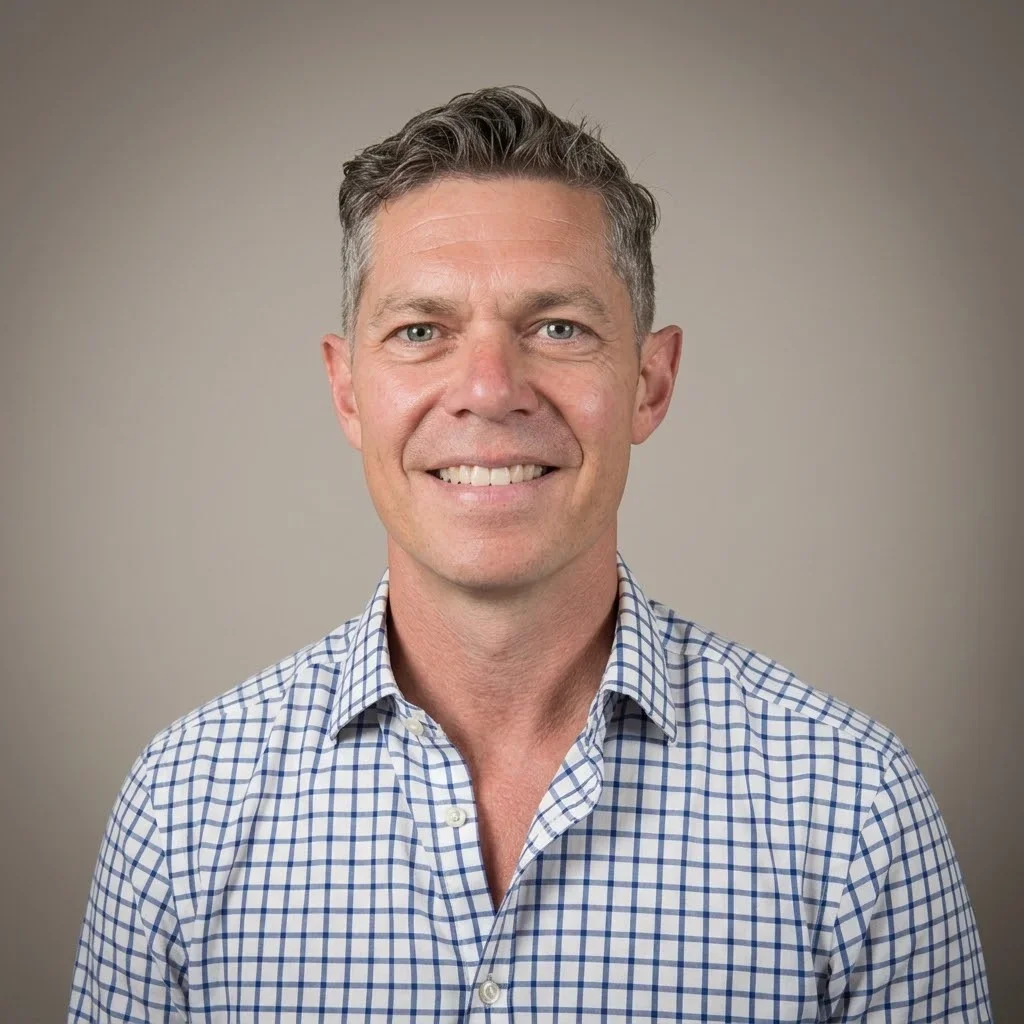
Philip Harris
Breathwork Specialist
Phil is an Oxygen Advantage Advanced Instructor, with his company, Hetrypa. Recognising the power of efficient functional breathing, Philip can help treat pain, anxiety, recovery and sleep, while also using this technique for supporting both physical and sporting performance.
A keen ultra runner himself, Philip has benefited directly from the Oxygen Advantage techniques improving his mental and physical health as well as his performance both professionally and on the sports field.
Frequently Asked Questions
Here are answers to some of the common questions we receive regarding breathwork at Physio Remedies.
-
No. Much of what is popularly called breathwork involves intense, altered-state breathing sessions or generic technique classes. What I offer is clinical breathing retraining: assessment-led, individualised, and grounded in physiology and musculoskeletal medicine. Some techniques may overlap, but the starting point is always an understanding of how you specifically breathe and why.
-
Yes. Breathing pattern disorders commonly affect people with no disease or injury at all, including professional athletes. If your breathing pattern is inefficient, addressing it can improve performance, sleep, and stress resilience regardless of how healthy you are.
-
No, and you should be wary of anyone who suggests it can. Breathing retraining complements medical management. Many people with asthma find their day-to-day symptoms and reliever use improve with retraining, but your prescribed treatment stays in place and any changes are for your doctor to make.
-
It varies with your presentation and goals. Retraining an established breathing pattern typically takes a course of sessions over several weeks to a few months, with structured practice between appointments. I will give you an honest estimate at your assessment.
-
Breathwork Training is offered on a self-funded basis. An initial appointment will last an hour and is £190.
Book Your Breathing Assessment
If poor sleep, stress, anxiety, persistent pain, or a plateau in your performance is affecting your life, the way you breathe may be part of the answer. Book an appointment with me at the Lansdowne Club in Mayfair, a short walk from Green Park and Berkeley Square.
Philip Harris, Physiotherapist and Oxygen Advantage Breath-Work Practitioner.
If you prefer to reach us directly: