
Physiotherapy in Mayfair, London
Our Physiotherapy Facilities & Specialist Equipment
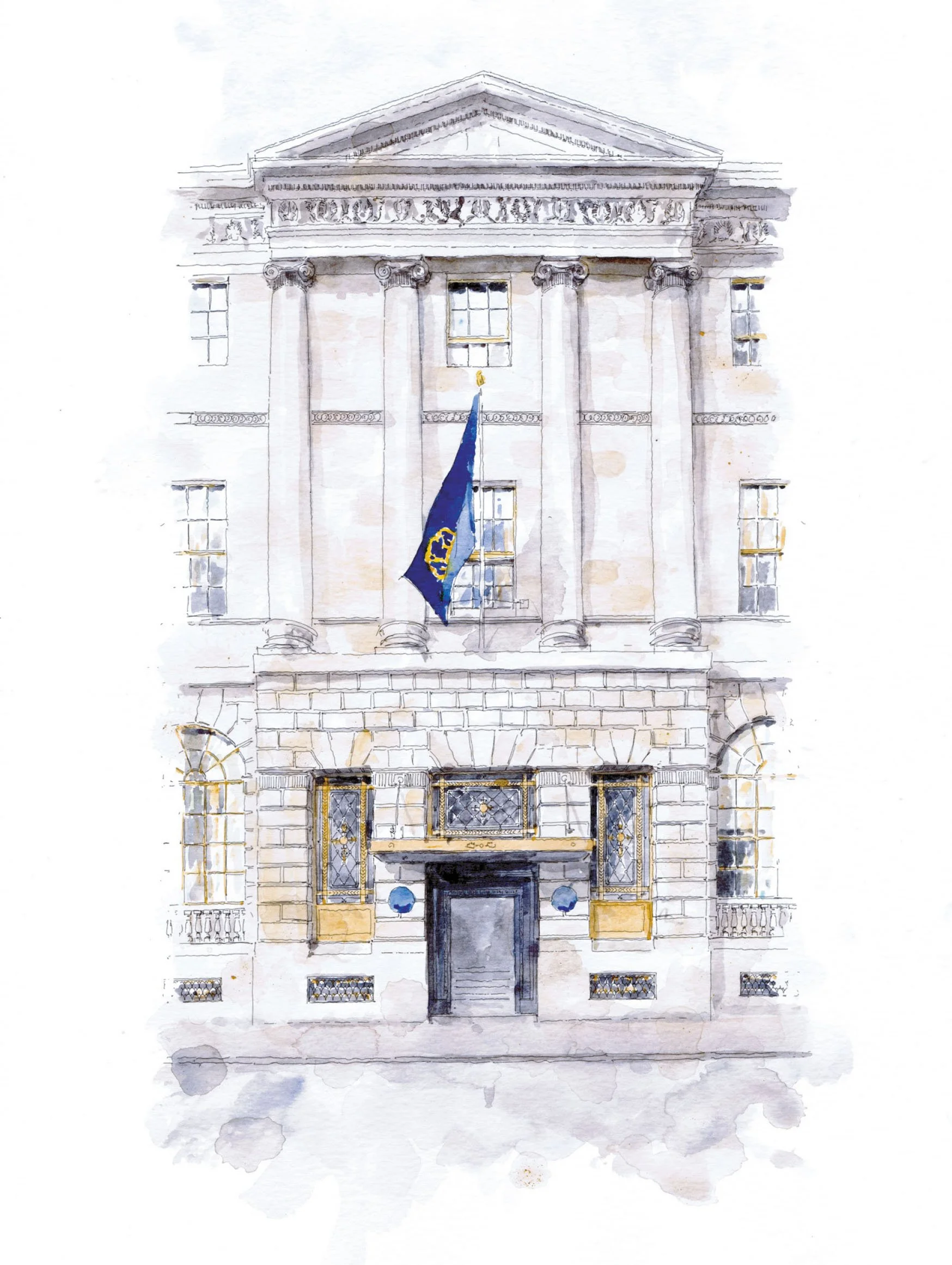
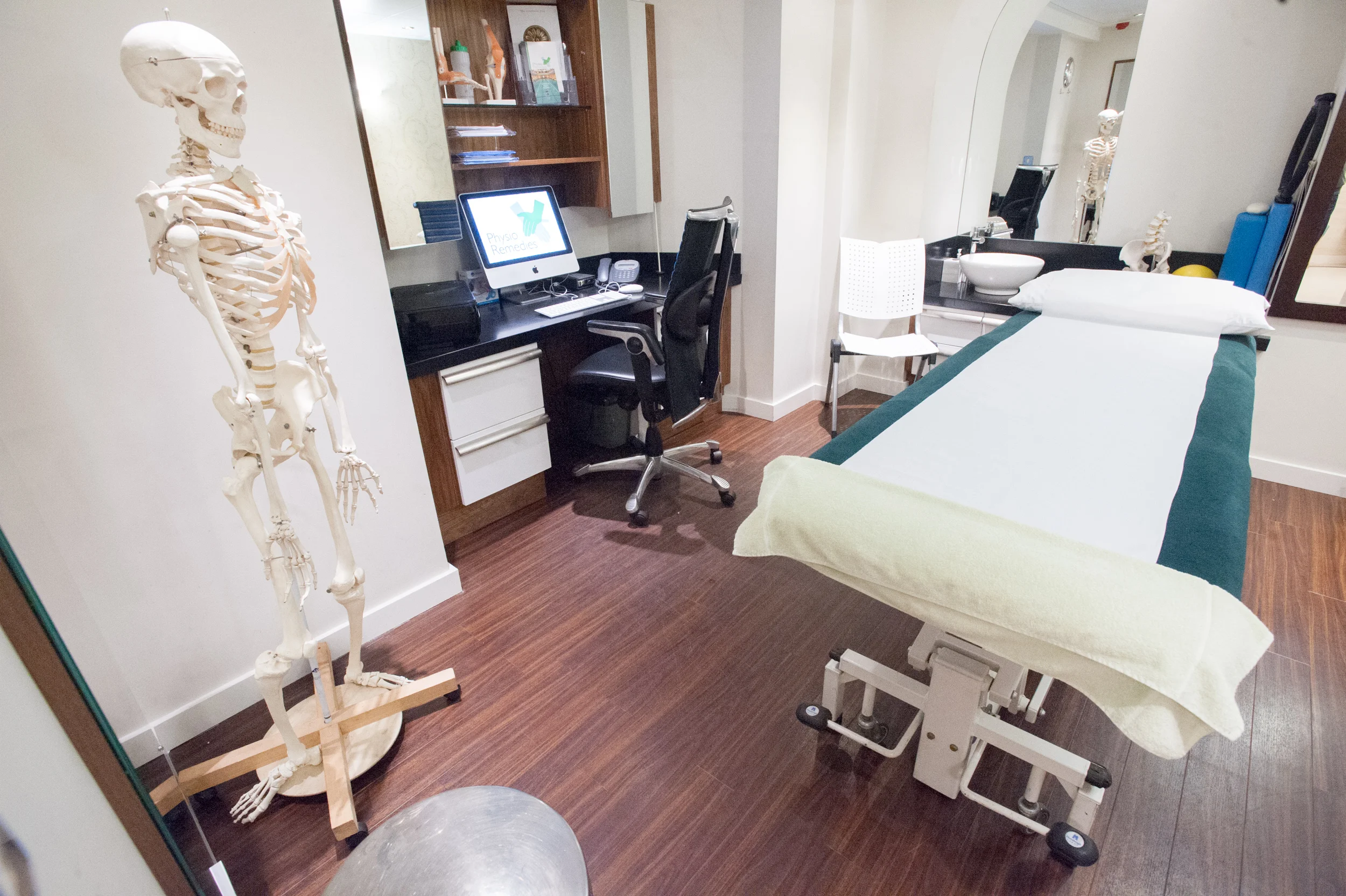
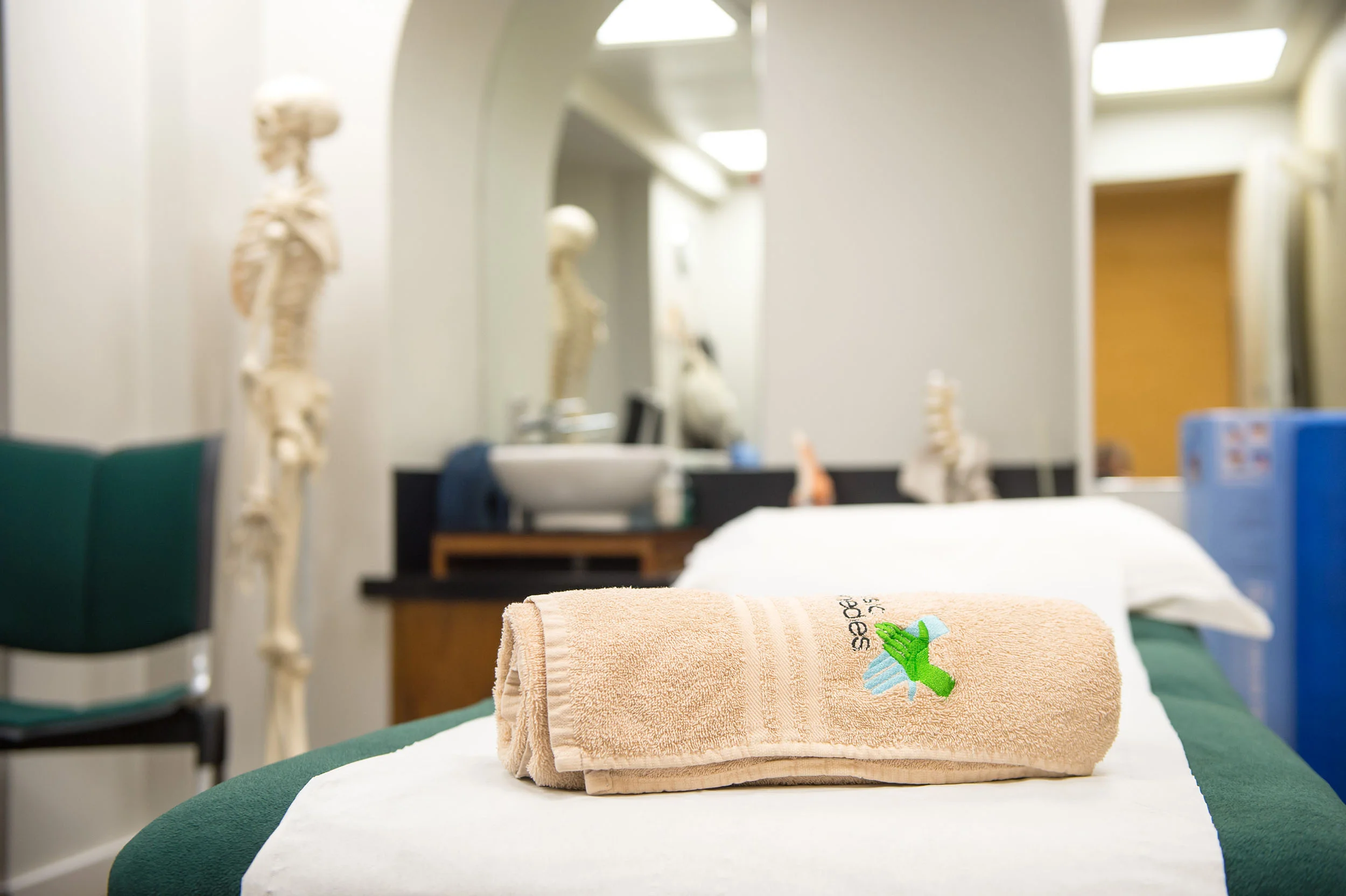
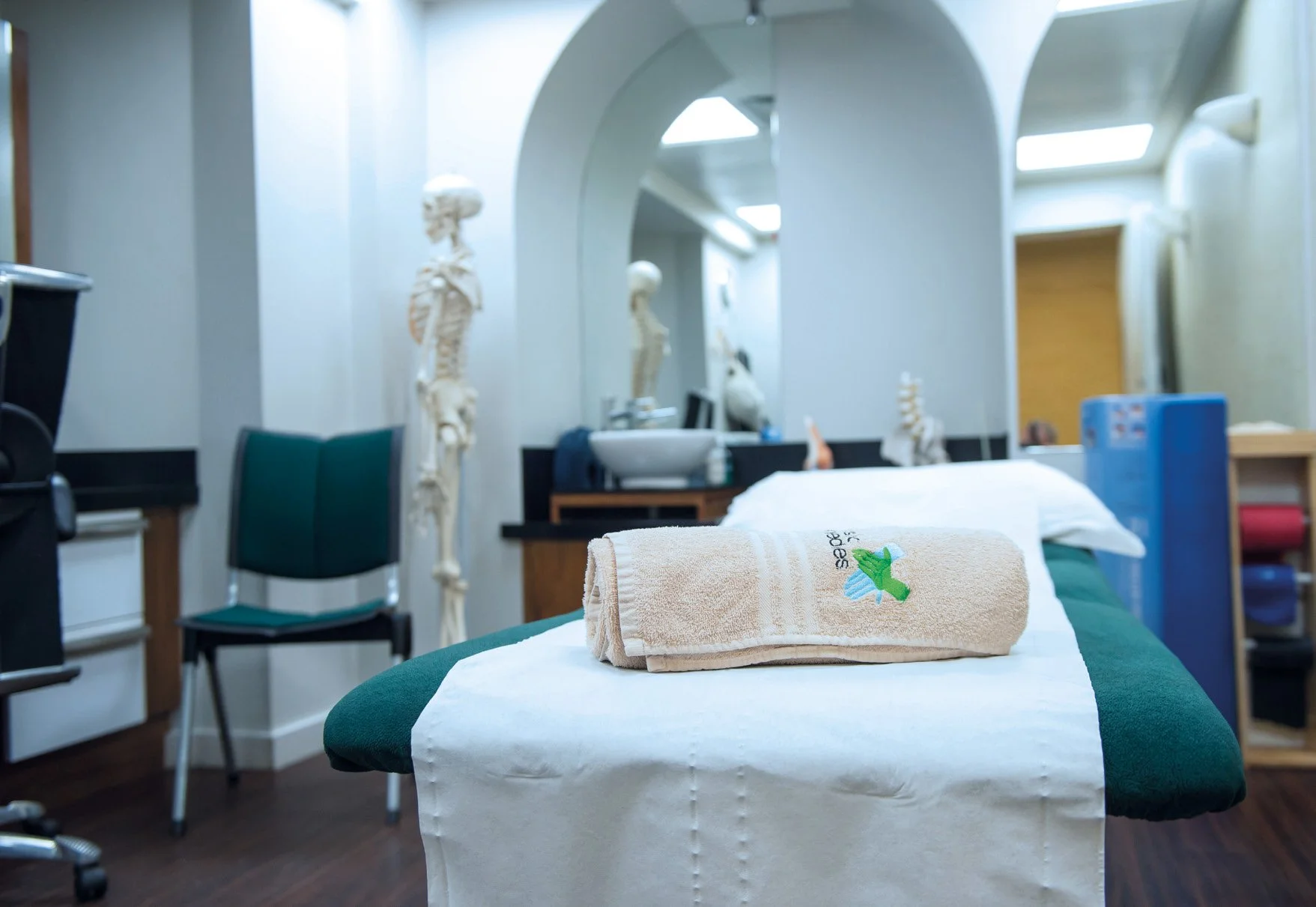
Physio Remedies operates from three dedicated treatment rooms within The Lansdowne Club, one of London’s most distinguished private members’ clubs, situated at the south-west corner of Berkeley Square in Mayfair. This setting gives our patients access to a level of rehabilitation space and supporting facilities that is unusual for a central London physiotherapy clinic.
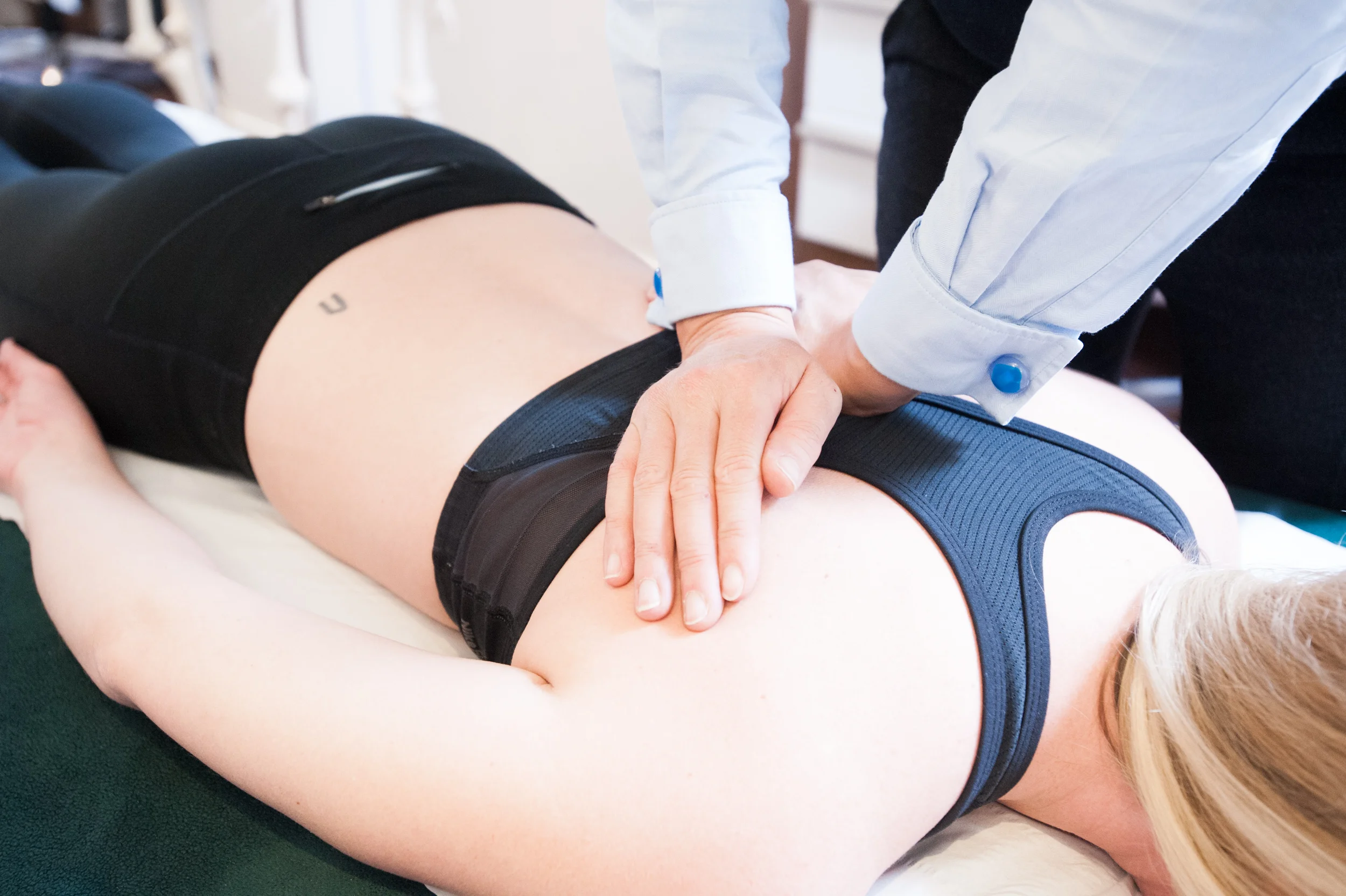
Rather than limiting rehabilitation to a treatment room alone, we can progress care from hands-on physiotherapy and objective testing into supervised gym-based exercise, functional strengthening and, where clinically appropriate, pool-based assessment or rehabilitation. This allows your treatment to feel joined-up, practical and specific to your goals.
A Specialist Physiotherapy Clinic Inside The Lansdowne Club
Physio Remedies operates from three dedicated treatment rooms within The Lansdowne Club, one of London’s most distinguished private members’ clubs, situated at the south-west corner of Berkeley Square in Mayfair. This setting gives our patients access to a level of rehabilitation space and supporting facilities that is unusual for a central London physiotherapy clinic.
Rather than limiting rehabilitation to a treatment room alone, we can progress care from hands-on physiotherapy and objective testing into supervised gym-based exercise, functional strengthening and, where clinically appropriate, pool-based assessment or rehabilitation. This allows your treatment to feel joined-up, practical and specific to your goals.
Advanced Assessment and Rehabilitation Technology
Within our clinic, we use advanced assessment and treatment technology to help make your care precise, measurable and evidence informed. Objective data allows us to establish a clear baseline, monitor your progress over time and make more confident decisions about when to progress your rehabilitation, return to sport or resume full physical activity.
Focused Shockwave Therapy in Mayfair
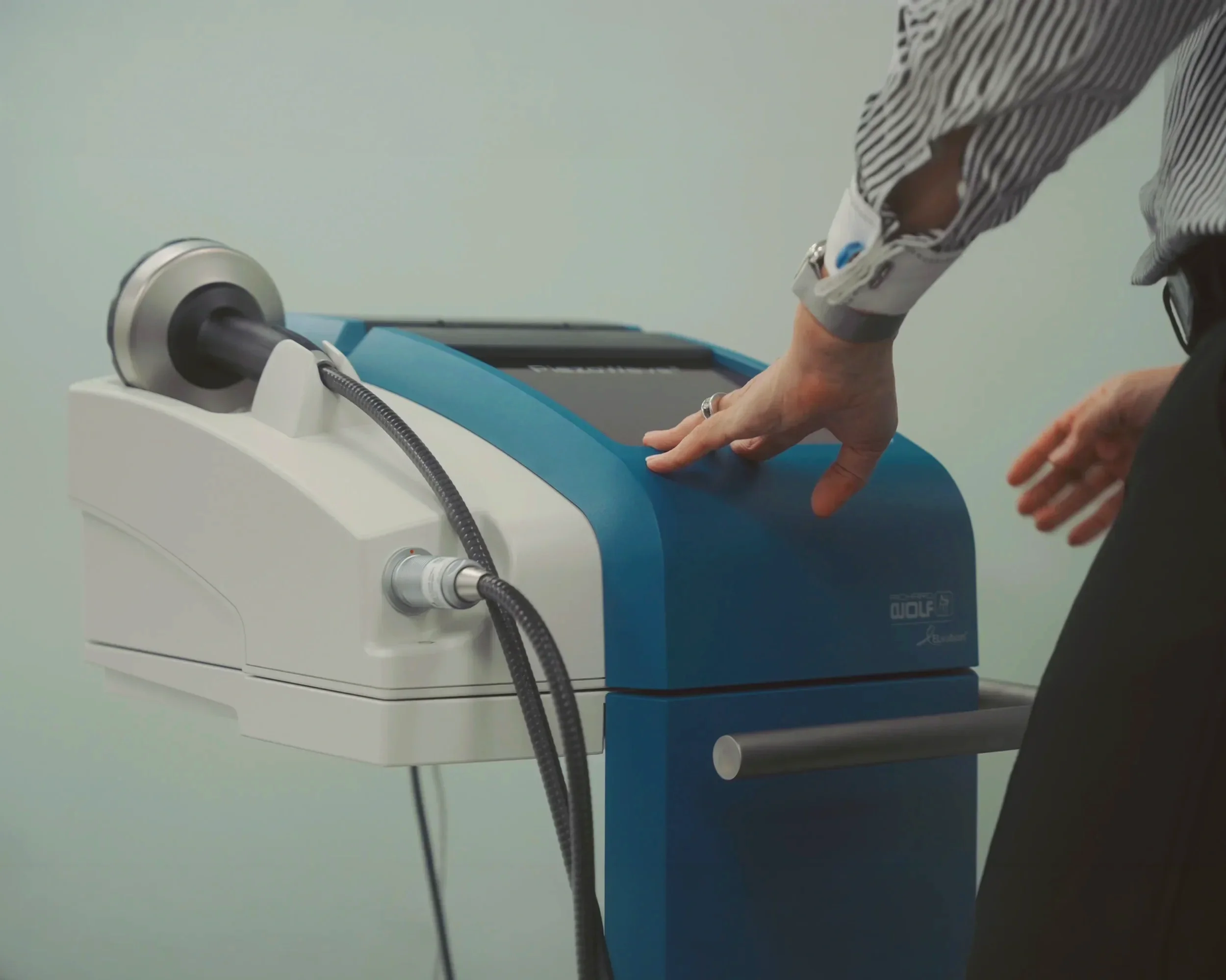
Physio Remedies offers focused extracorporeal shockwave therapy using the PiezoWave2 system. Focused shockwave therapy delivers targeted acoustic waves to specific tissue depths and may be recommended as part of the treatment of chronic tendinopathies.
Focused shockwave therapy can be useful in the management of chronic tendinopathies such as Achilles, patellar and proximal hamstring tendinopathy, as well as plantar fasciitis, greater trochanteric pain and some other soft-tissue conditions. It is important that shockwave therapy is combined with a structured loading programme, as this is an essential part of long-term tendon rehabilitation. Your physiotherapist will assess whether shockwave therapy is appropriate for your presentation and will integrate it into a progressive rehabilitation plan rather than using it as a standalone treatment.
VALD Performance: ForceDecks and DynaMo
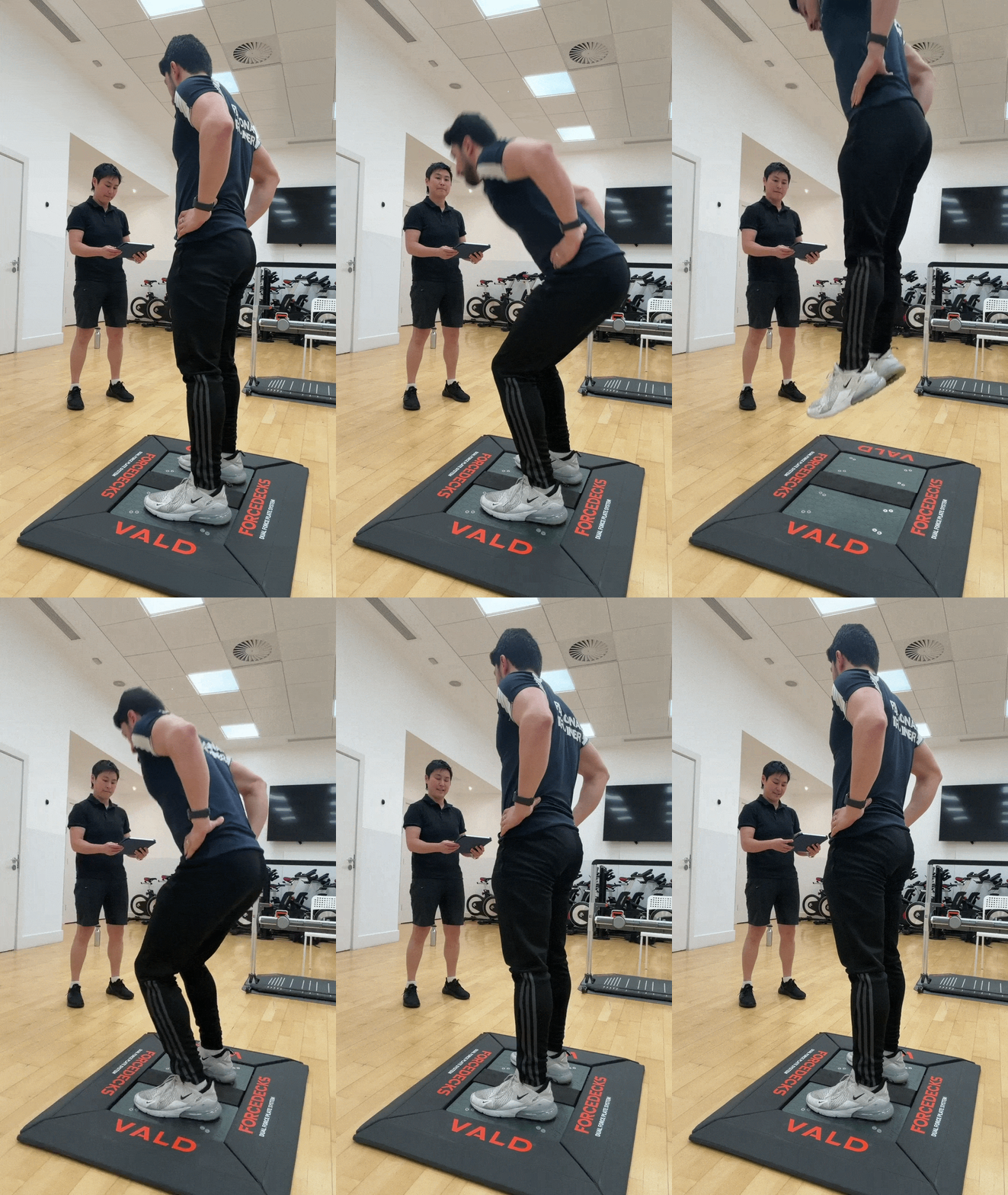
VALD Performance technology is used across elite sport, professional clubs and clinical rehabilitation settings. At Physio Remedies, we use ForceDecks and DynaMo to support objective assessment and progress tracking.
ForceDecks is a dual force plate system that analyses balance, strength and movement strategies in real time. It measures how much force you produce, how you apply it and how your body distributes load during movements such as balance tasks, squats, sit-to-stand assessments, isometric strength tests and jumps. This information is particularly useful for patients recovering from lower-limb injury, surgery, balance problems or return-to-sport rehabilitation.
DynaMo is a handheld dynamometer and inclinometer that measures muscle strength and joint range of motion across a wide range of tests. Results can be logged to your patient profile, allowing us to track your progress with precision and share meaningful reports with you as your rehabilitation develops.
Together, these systems help us move beyond feel-based assessment alone. They provide objective information that supports clearer clinical decisions and helps you understand how your body is changing throughout treatment.
Compex Muscle Stimulation (NMES) and Pain Management
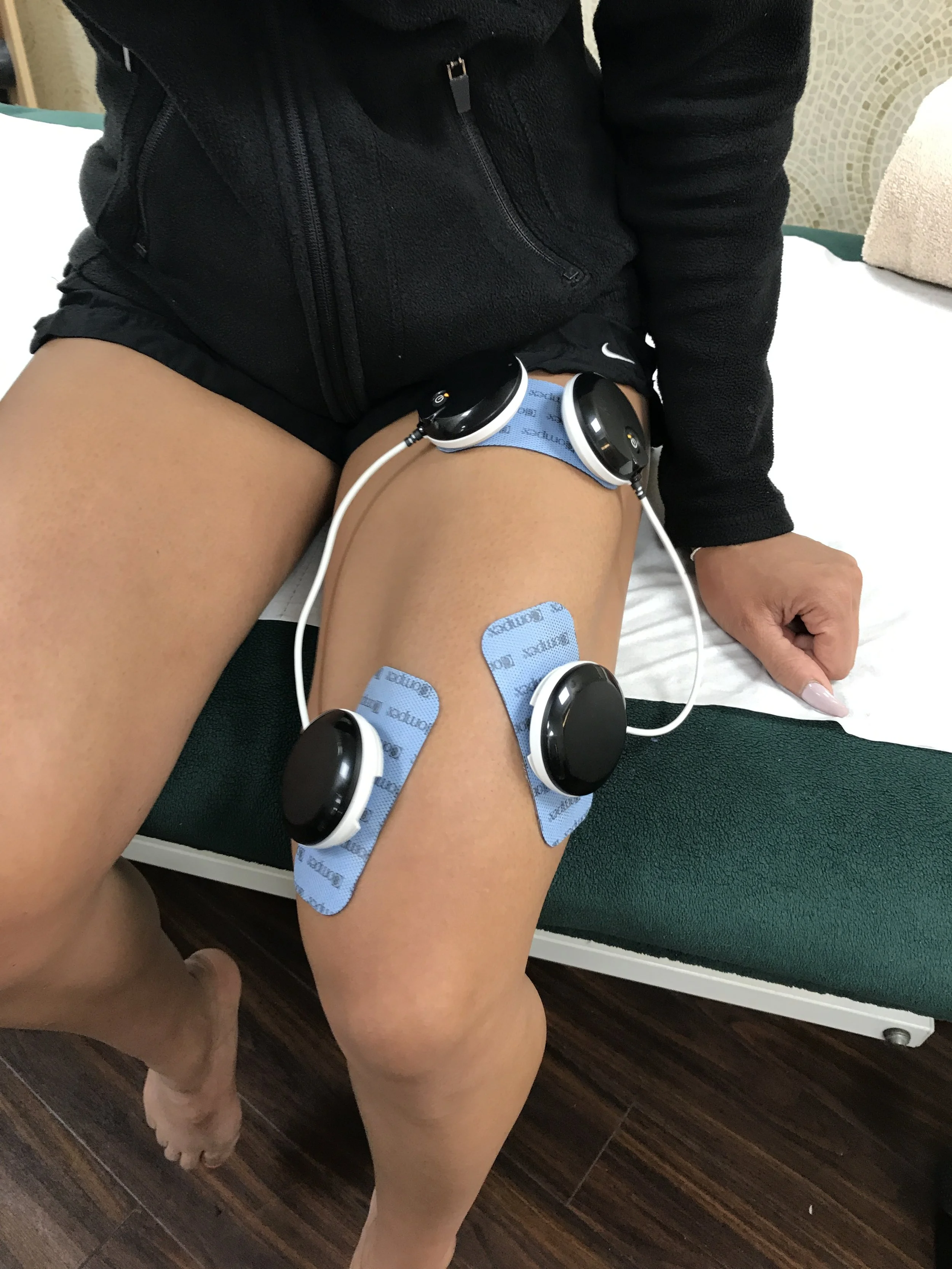
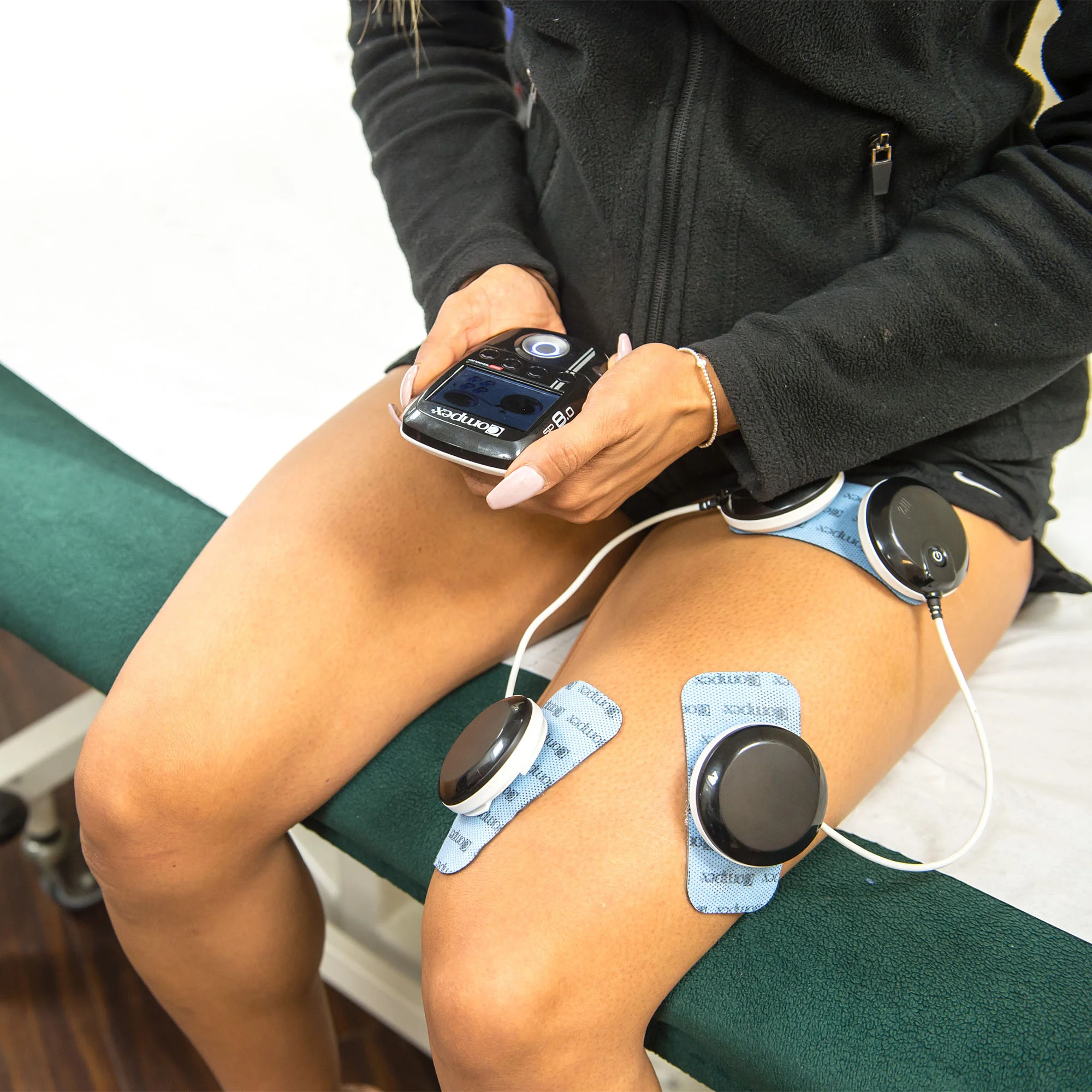
Compex is the only brand of neuromuscular electrical stimulation (NMES) and muscle stimulation device we use at Physio Remedies. Some patients know this type of treatment simply as Compex rather than NMES, so we use both terms. In clinic, we use the Compex SP 8.0 wireless system and the Compex SP 4.0 wired system to support muscle re-education, recovery and pain management.
Following surgery or significant injury, muscles can become inhibited or difficult to activate effectively. Compex stimulation may help re-activate targeted muscle groups and support early rehabilitation work. It can also be used for recovery-focused programmes and TENS-based pain management, helping some patients complete rehabilitation exercises more comfortably and productively.
Blood Flow Restriction Rehabilitation with AirCuff and Occlusion Cuff Pro
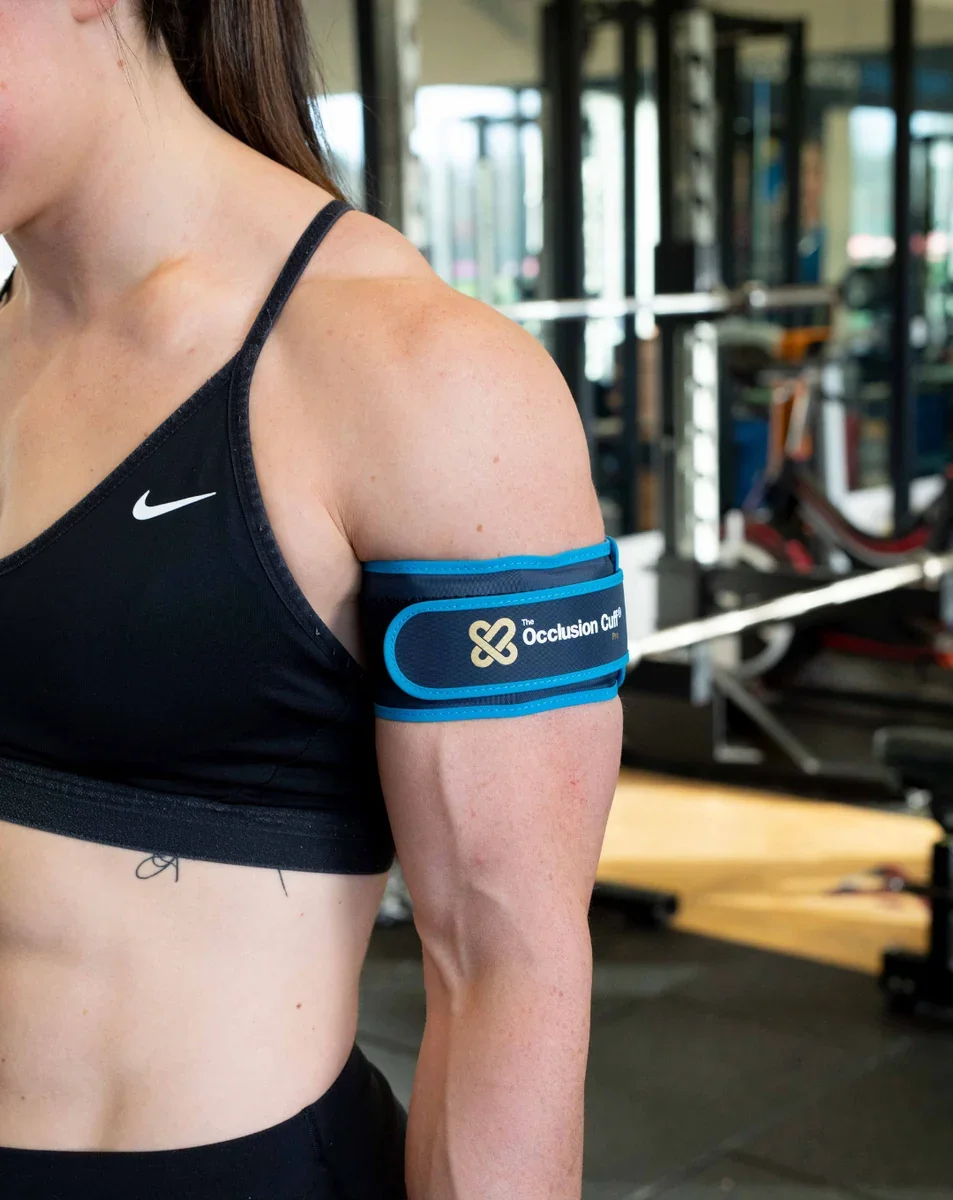
We use blood flow restriction (BFR) as part of selected rehabilitation programmes, including AirCuff and Occlusion Cuff Pro systems. BFR can help stimulate muscle strength and hypertrophy responses while using lighter loads than traditional heavy resistance training.
This may be helpful in early-stage post-operative rehabilitation, tendon rehabilitation, joint pain or periods where muscle needs to be rebuilt without placing excessive load on healing tissues. Your physiotherapist will assess whether BFR is appropriate and will set the cuff, pressure and exercise dosage according to your presentation, goals and stage of recovery.
Foot and Ankle Training with BlackBoard / Axis Board
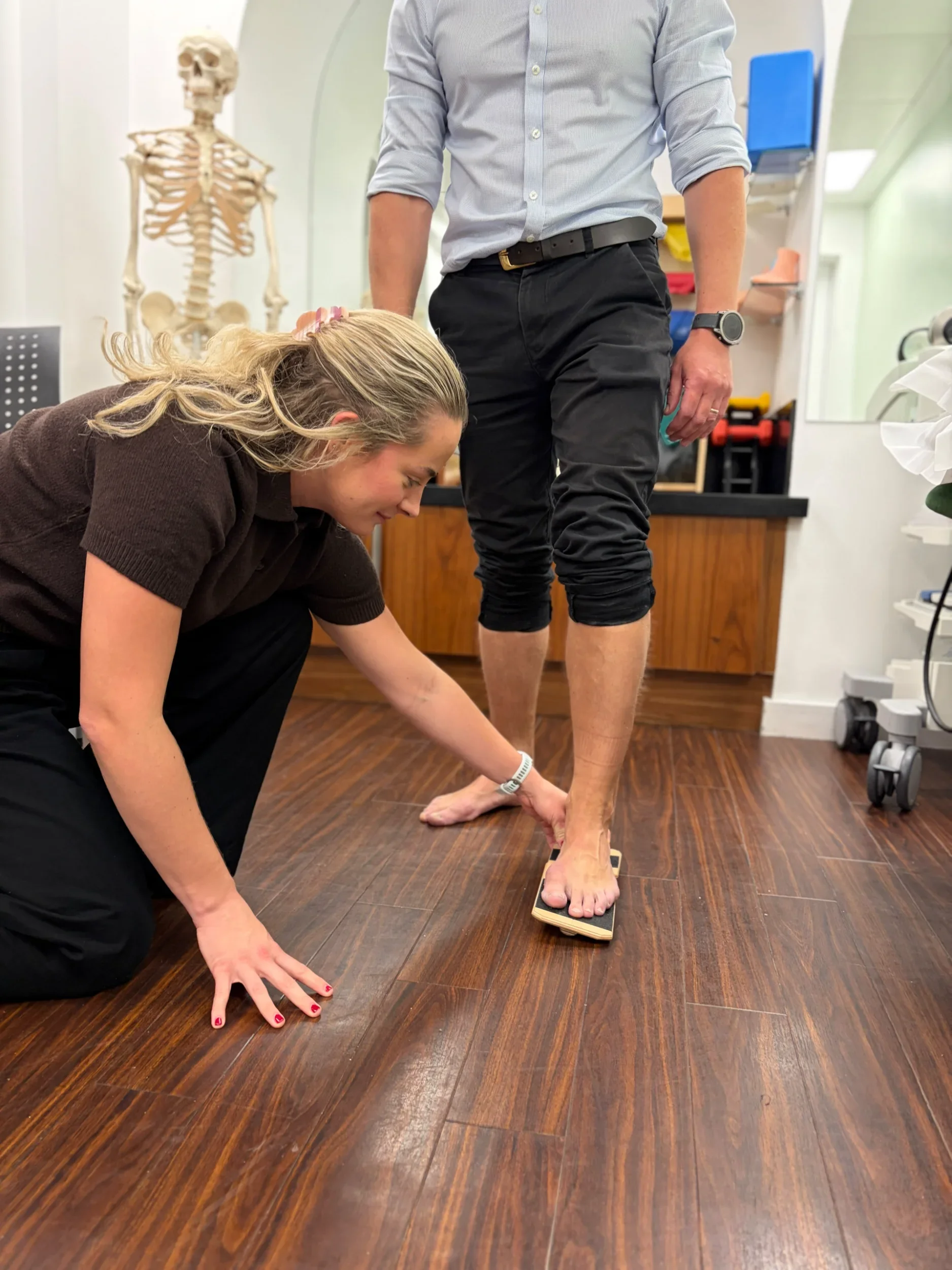
We use BlackBoard foot training platforms, now also commonly referred to as Axis boards, to assess and retrain foot and ankle control. The foot plays a key role in how load is transferred through the ankle, knee, hip and spine, so targeted foot and ankle rehabilitation can be important for patients with plantar fasciitis, chronic ankle instability, lower-limb overuse injuries or recurring movement problems.
While many clinics now use this type of foot training equipment, the clinical expertise behind it is what makes the difference. Our foot and ankle physiotherapists have completed advanced-level training with BlackBoard, the original brand behind the system, and have specialist expertise in using it as part of detailed assessment, rehabilitation and performance programmes. This allows us to apply the equipment with greater precision, progressing patients beyond generic balance exercises into highly targeted foot, ankle and lower-limb rehabilitation.
BlazePod Reaction, Coordination and Sports Training
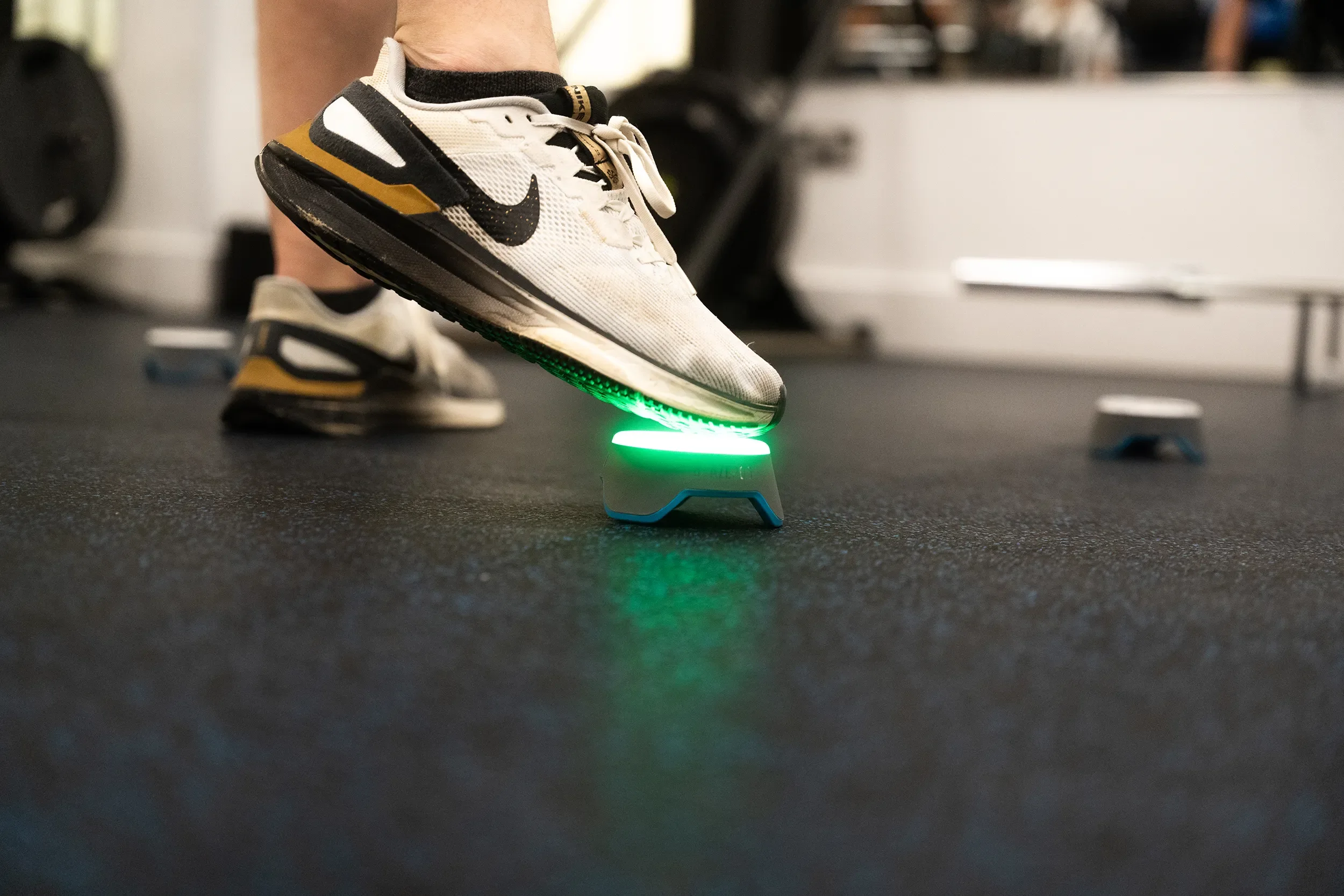
BlazePod is a light-based, app-controlled reaction training system that can be adapted across the whole body. We use it not only in later-stage sports rehabilitation, but also for shoulder rehabilitation, foot and ankle control, knee rehabilitation, agility, balance, coordination and whole-body movement training. The pods create visual prompts that require patients to react, reach, step, change direction or make quick movement decisions in a controlled clinical setting.
This makes BlazePod useful for athletes returning to sport, patients rebuilding confidence after injury, and older patients who need to improve balance, coordination, reaction time and confidence with movement. Because drills can be scaled from simple seated or standing tasks through to demanding sport-specific challenges, it allows us to tailor rehabilitation to the individual rather than relying on generic exercise progressions.
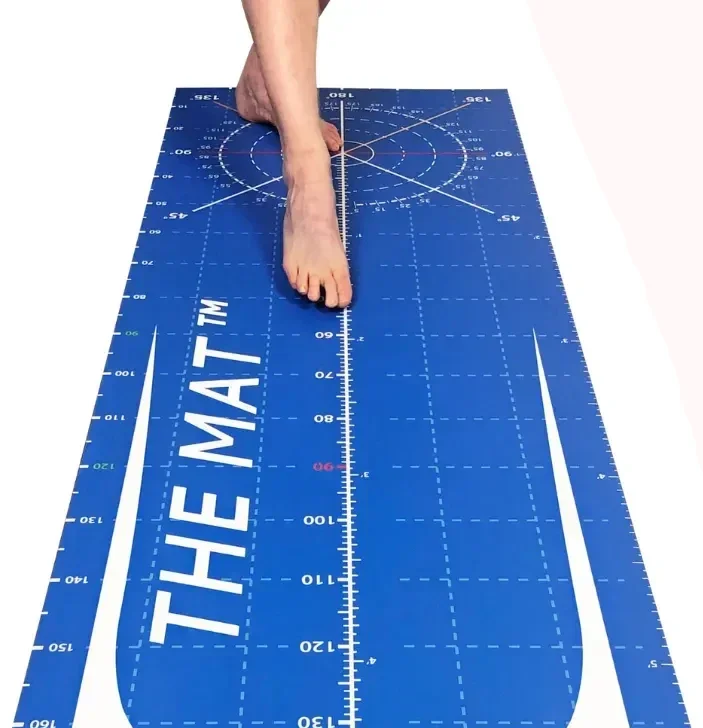
Movement Assessment Tool (MAT) Functional Performance Testing
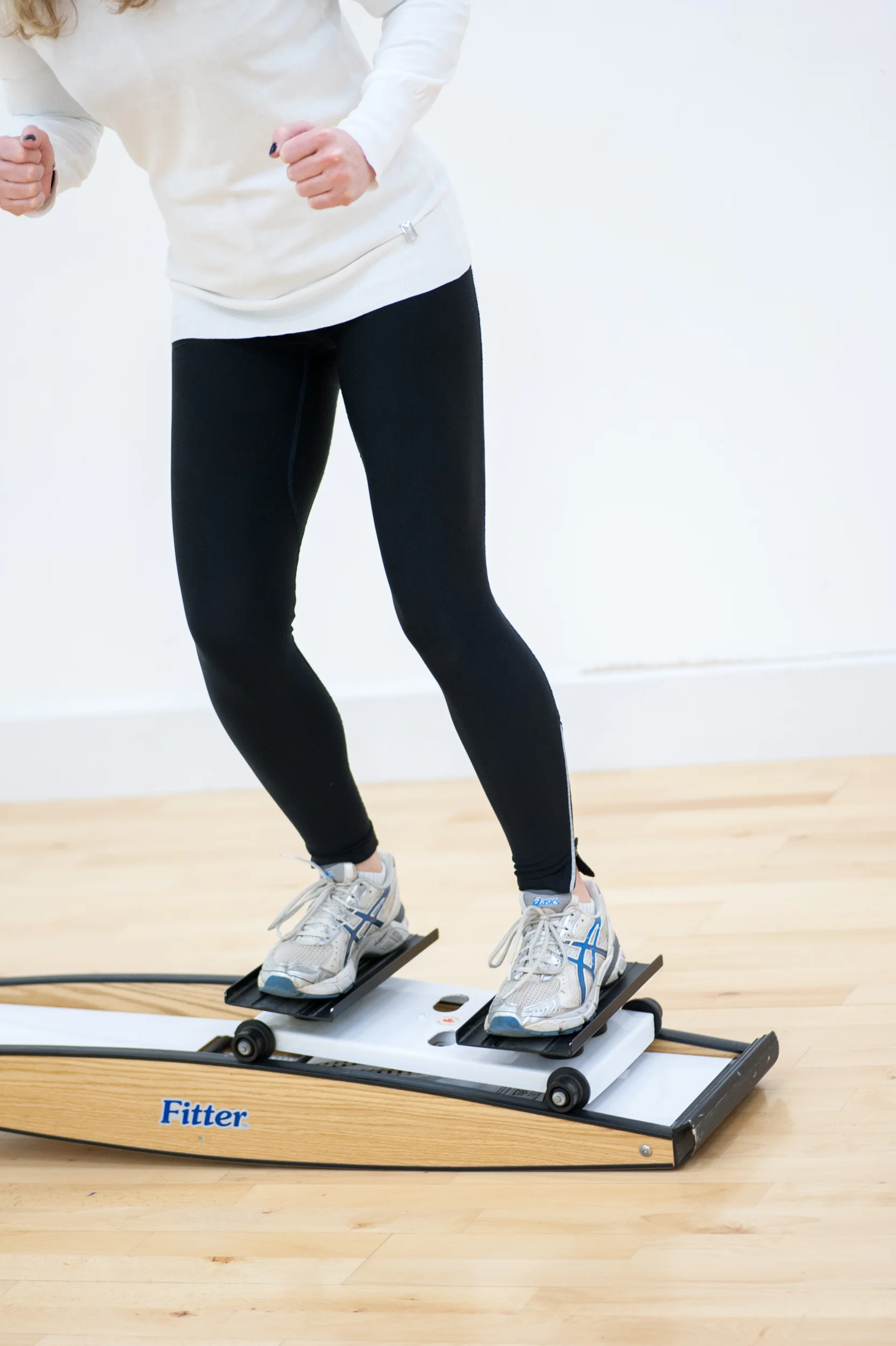
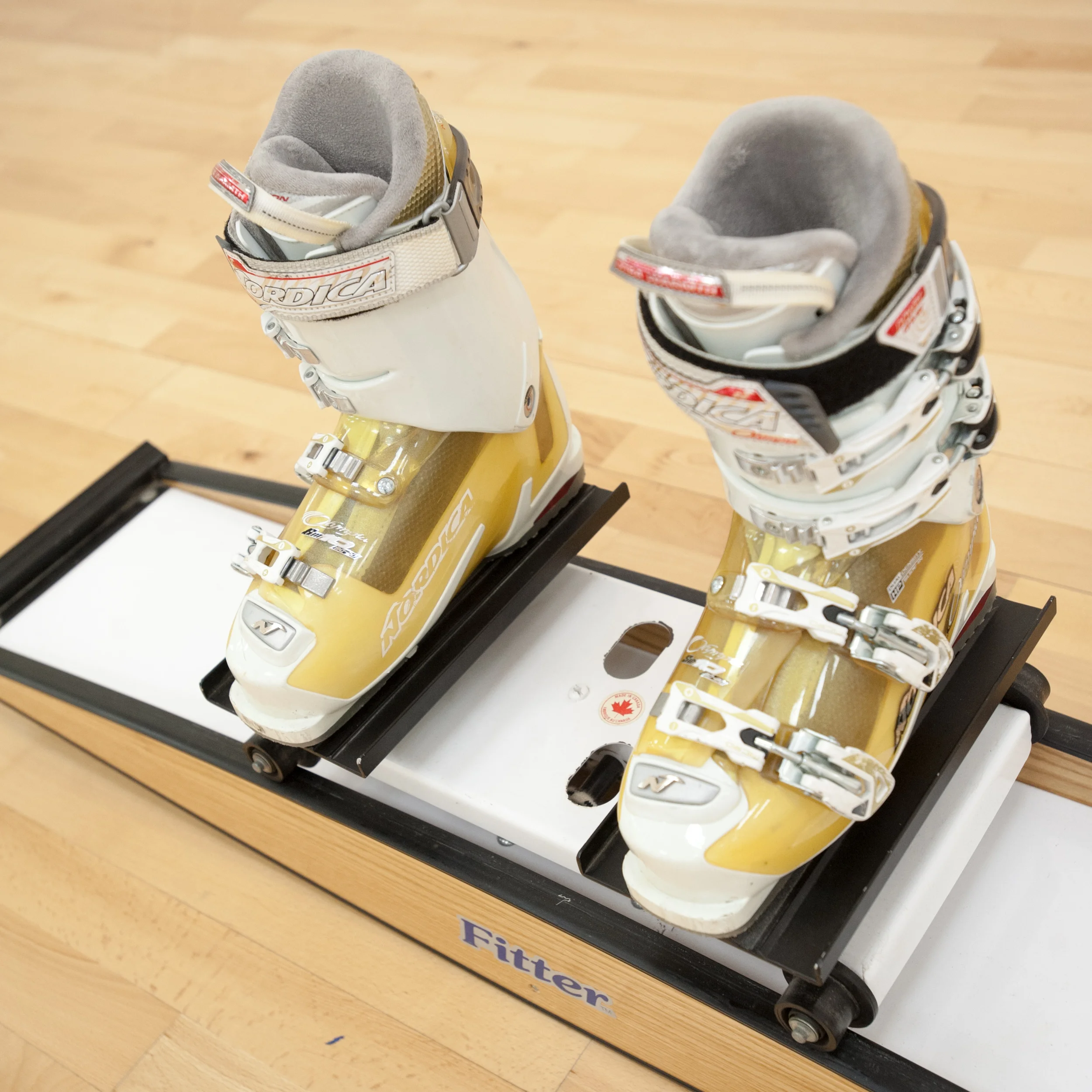
The MAT (Movement Assessment Tool) is used to measure functional movement and performance in a clear, repeatable and objective way. It allows us to assess how a patient moves during upright, functional tasks rather than relying only on isolated joint or muscle testing. This is particularly useful when we need to understand how someone controls movement during activities such as squatting, lunging, hopping, jumping, balancing, changing direction or using the upper limb in weight-bearing positions.
At Physio Remedies, we use MAT testing to establish accurate baseline measurements and then re-evaluate performance at key stages of rehabilitation. This gives both the patient and physiotherapist clear data on progress, helping us see whether strength, balance, control, symmetry, range and functional capacity are improving as expected. Where appropriate, MAT can support tests such as the Star Excursion Balance Test, Y-Balance Test, Weight Bearing Lunge Test, hop and jump testing, squat and lunge testing, and upper-limb weight-bearing assessments.
By measuring performance consistently over time, MAT helps us refine each rehabilitation programme, progress exercises at the right pace and make more confident decisions about readiness for sport, work and everyday activity. It is another way we reduce guesswork and use objective information to guide treatment, rehabilitation and return-to-performance planning.
Gym-Based Rehabilitation at The Lansdowne Club
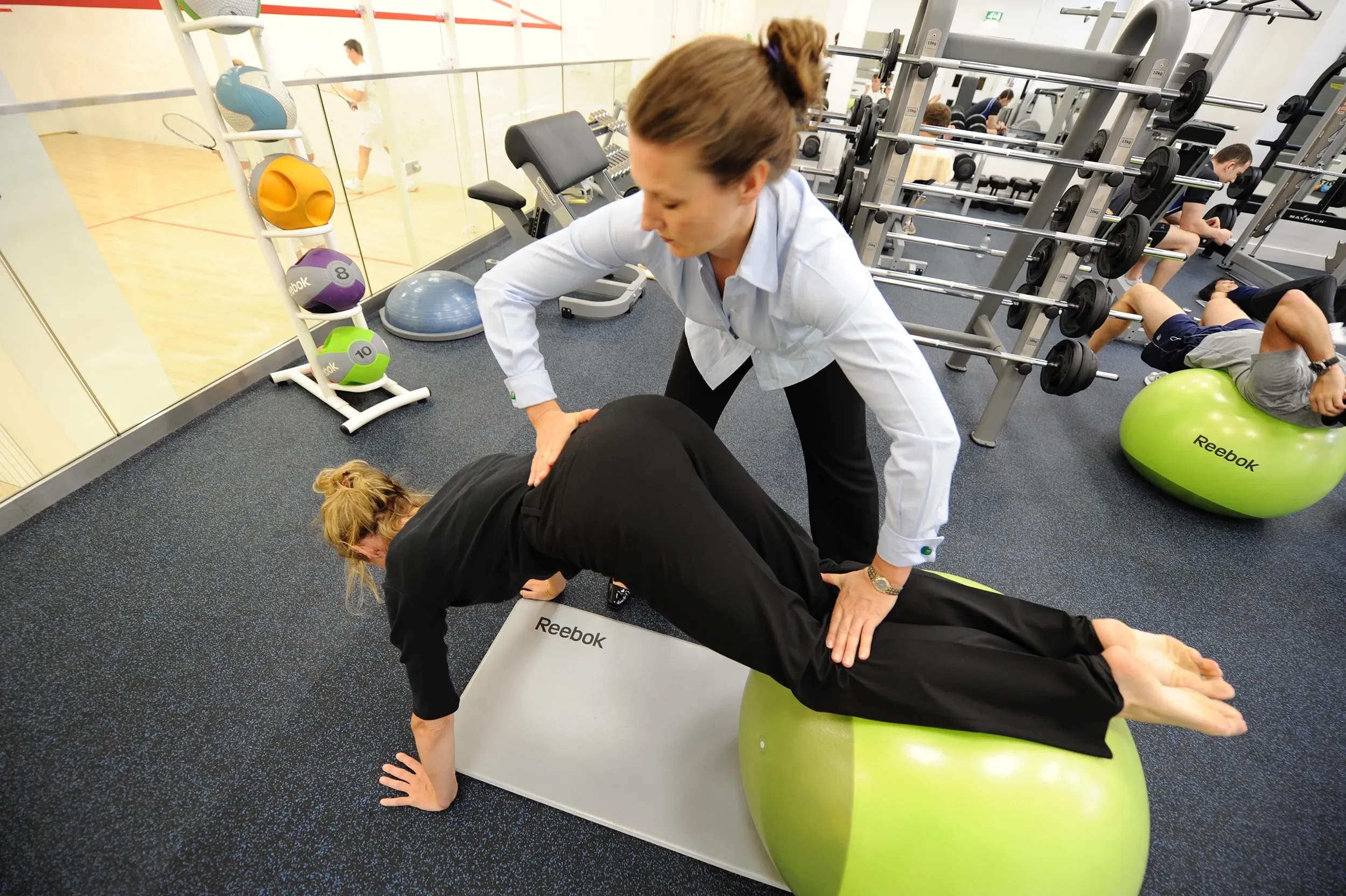
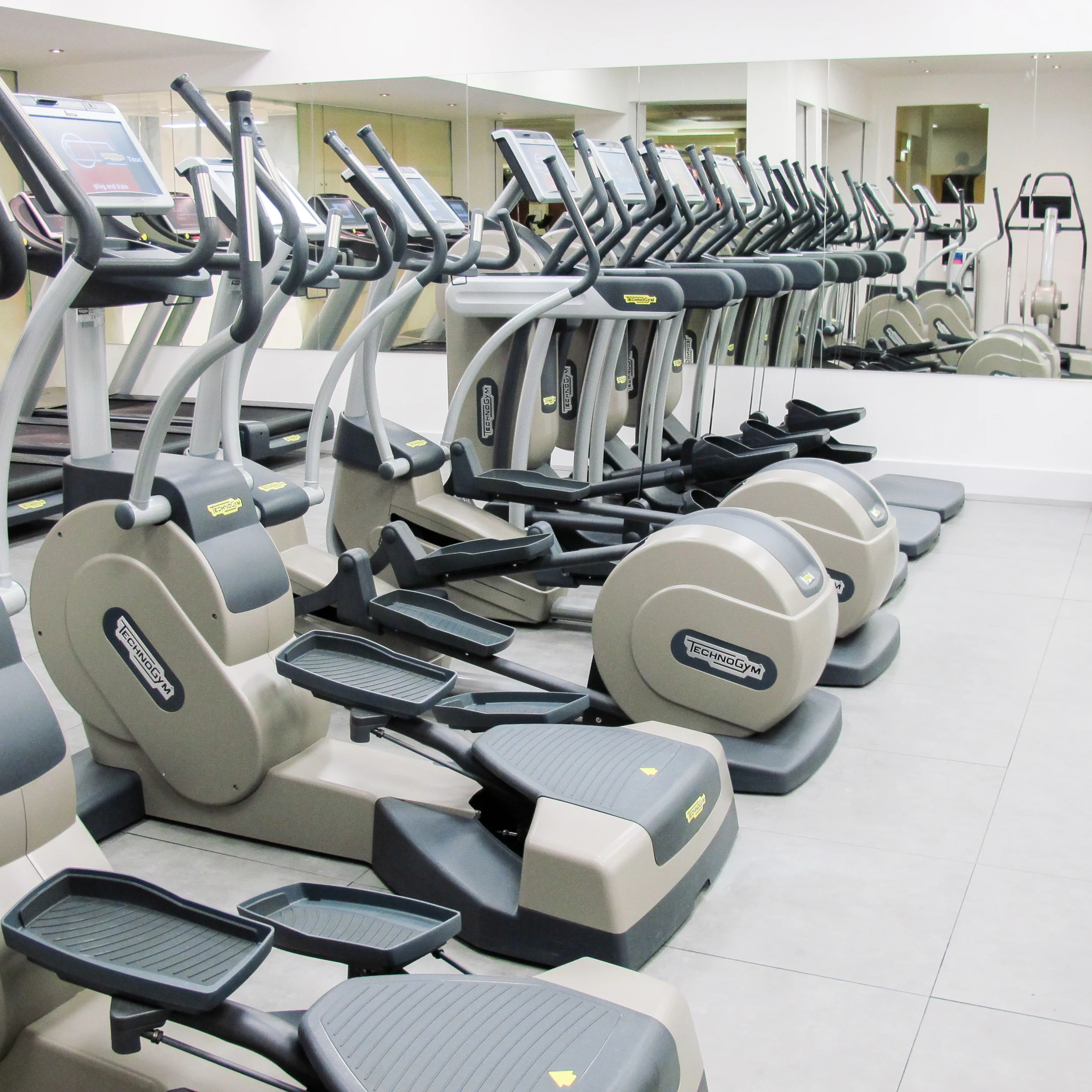
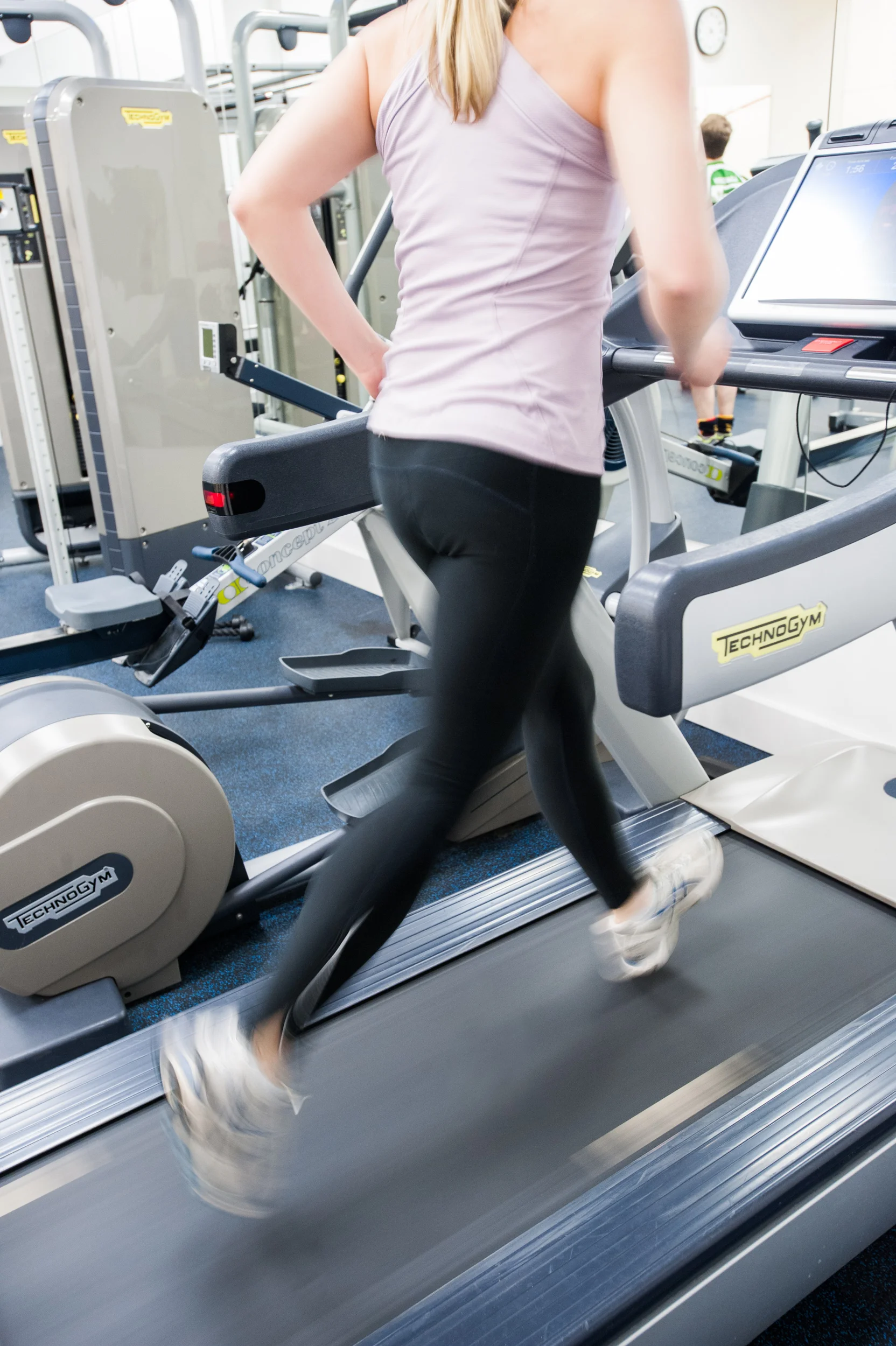
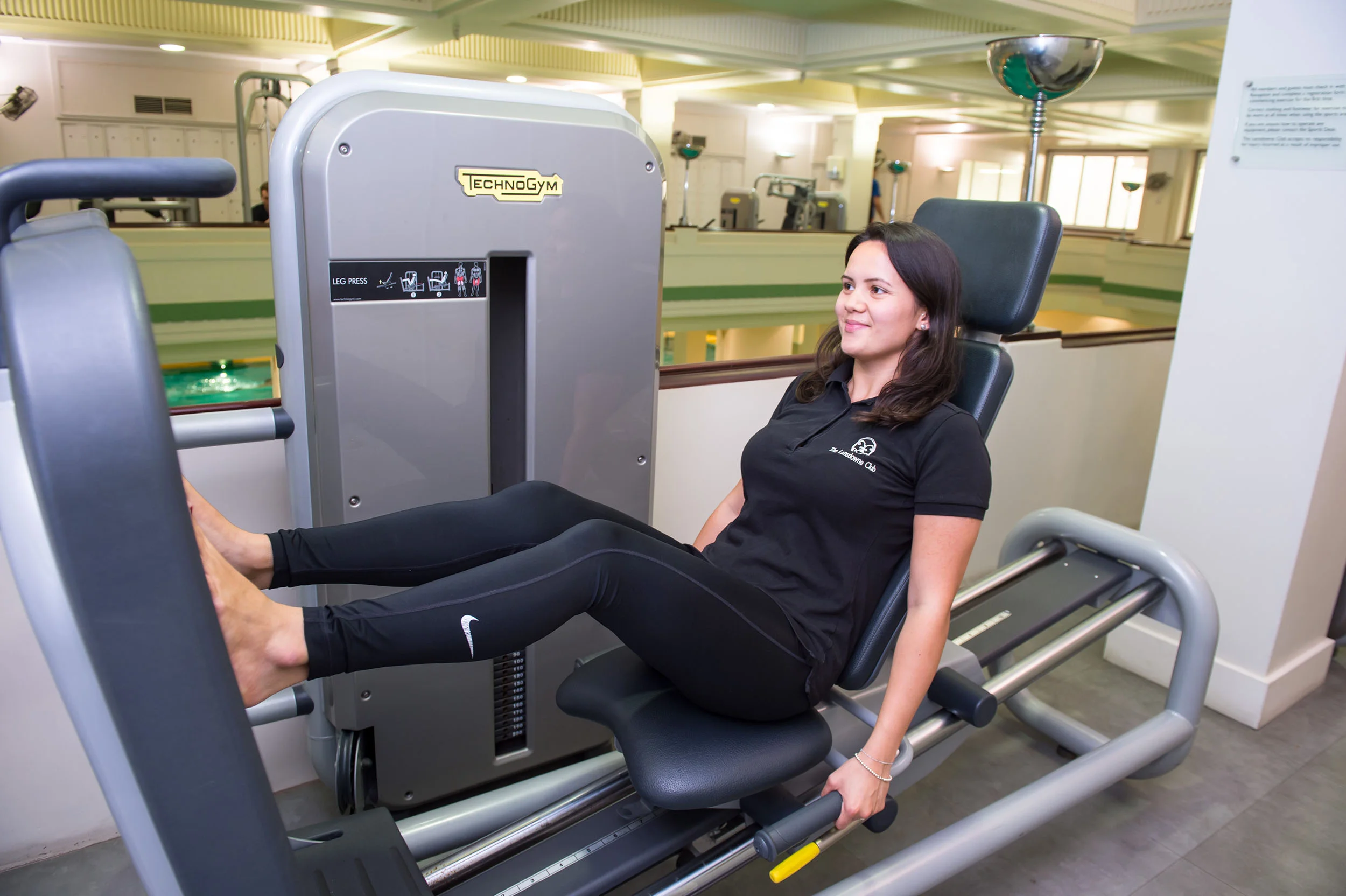
Physio Remedies patients can access The Lansdowne Club’s gym and changing facilities during physiotherapy sessions. This is a major advantage compared with many clinics where rehabilitation is limited to one treatment room or a small exercise area.
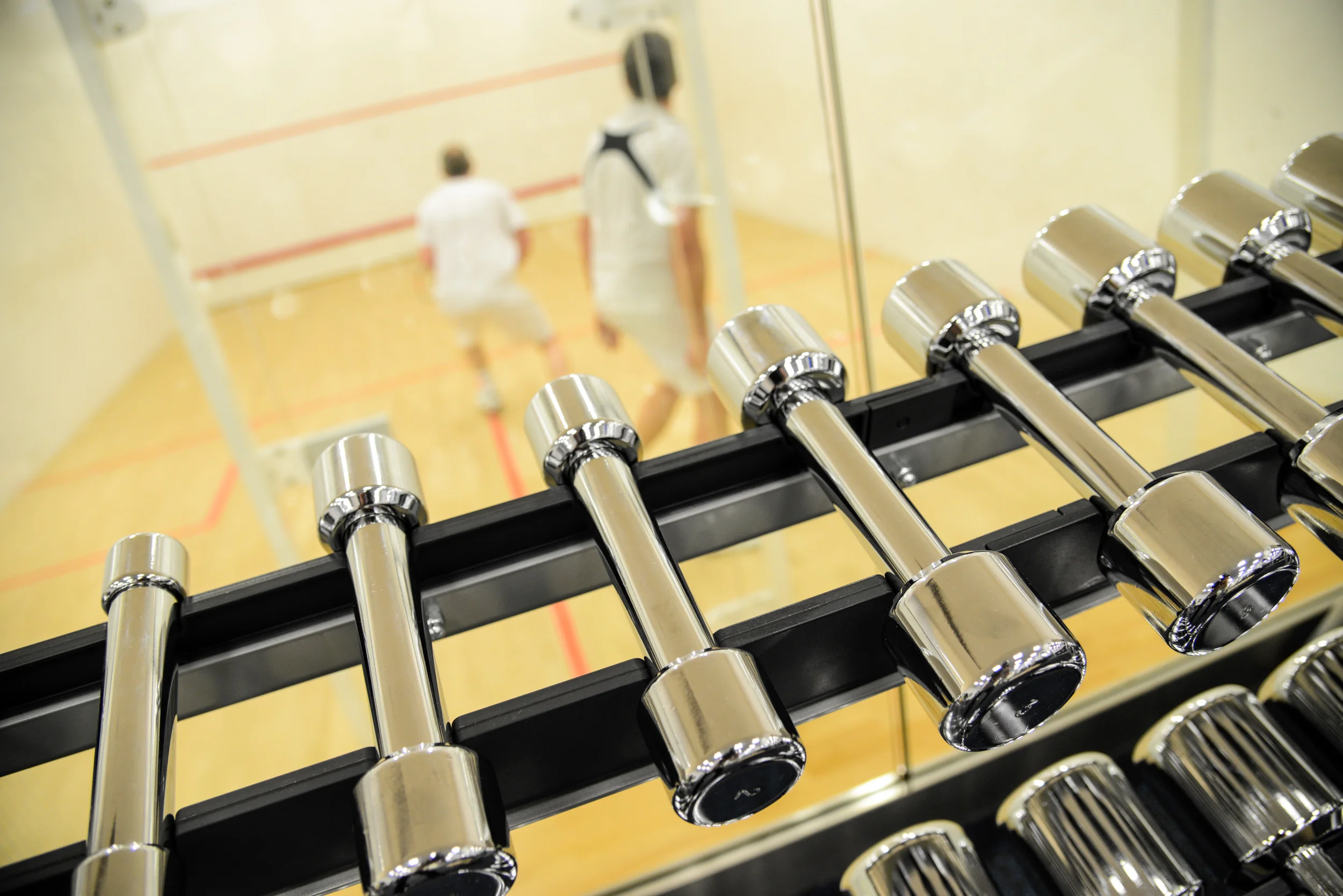
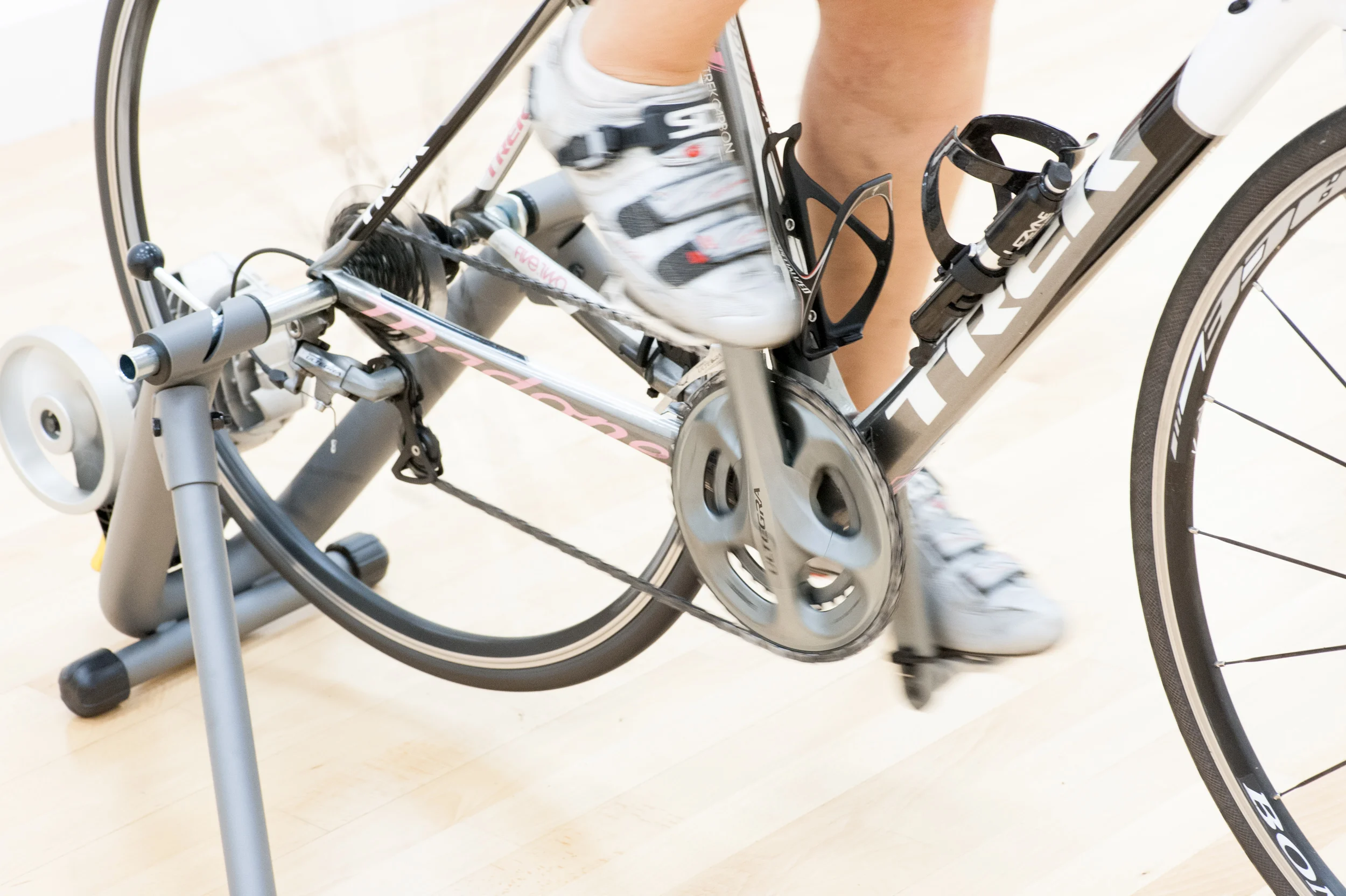
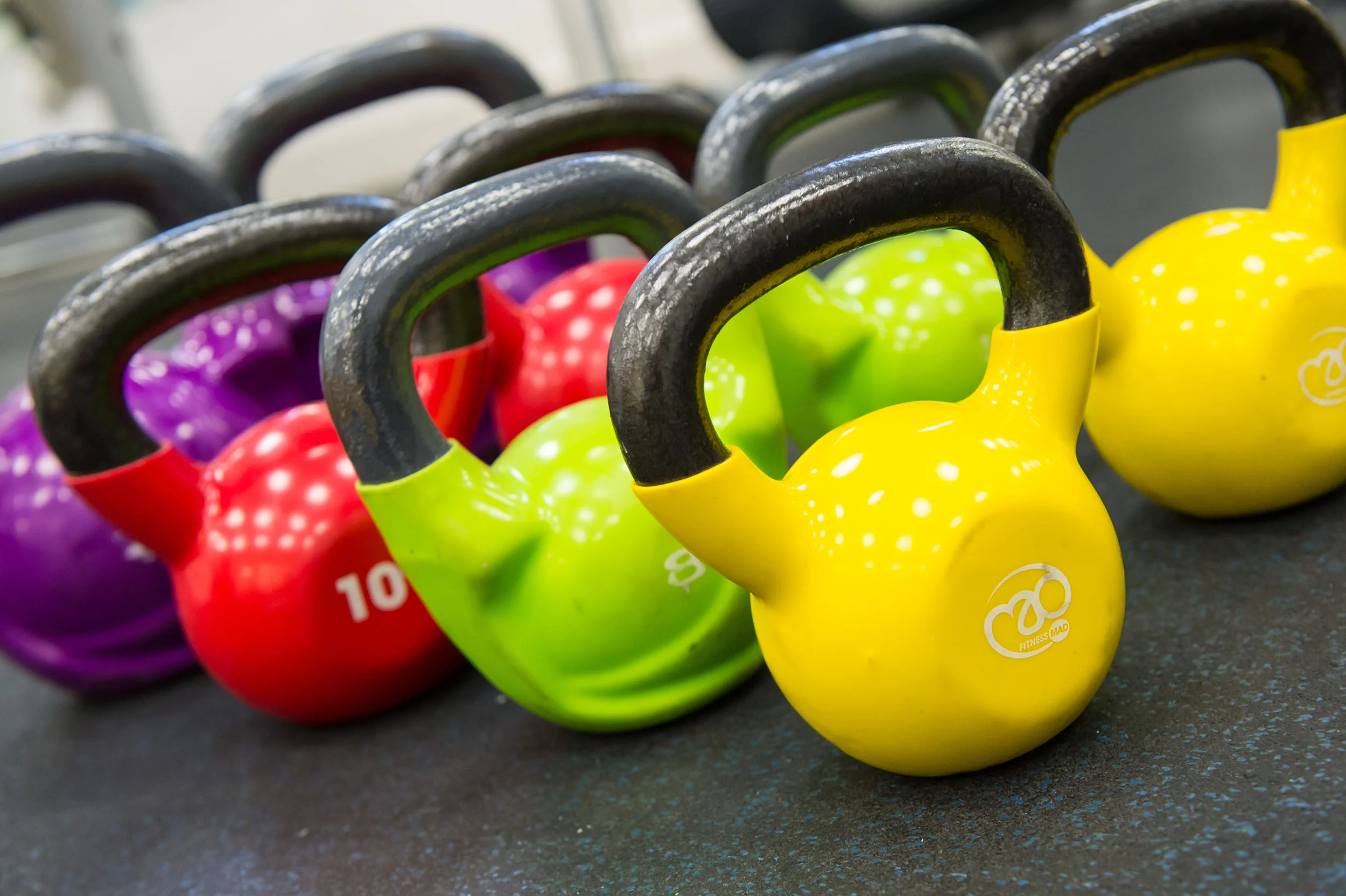
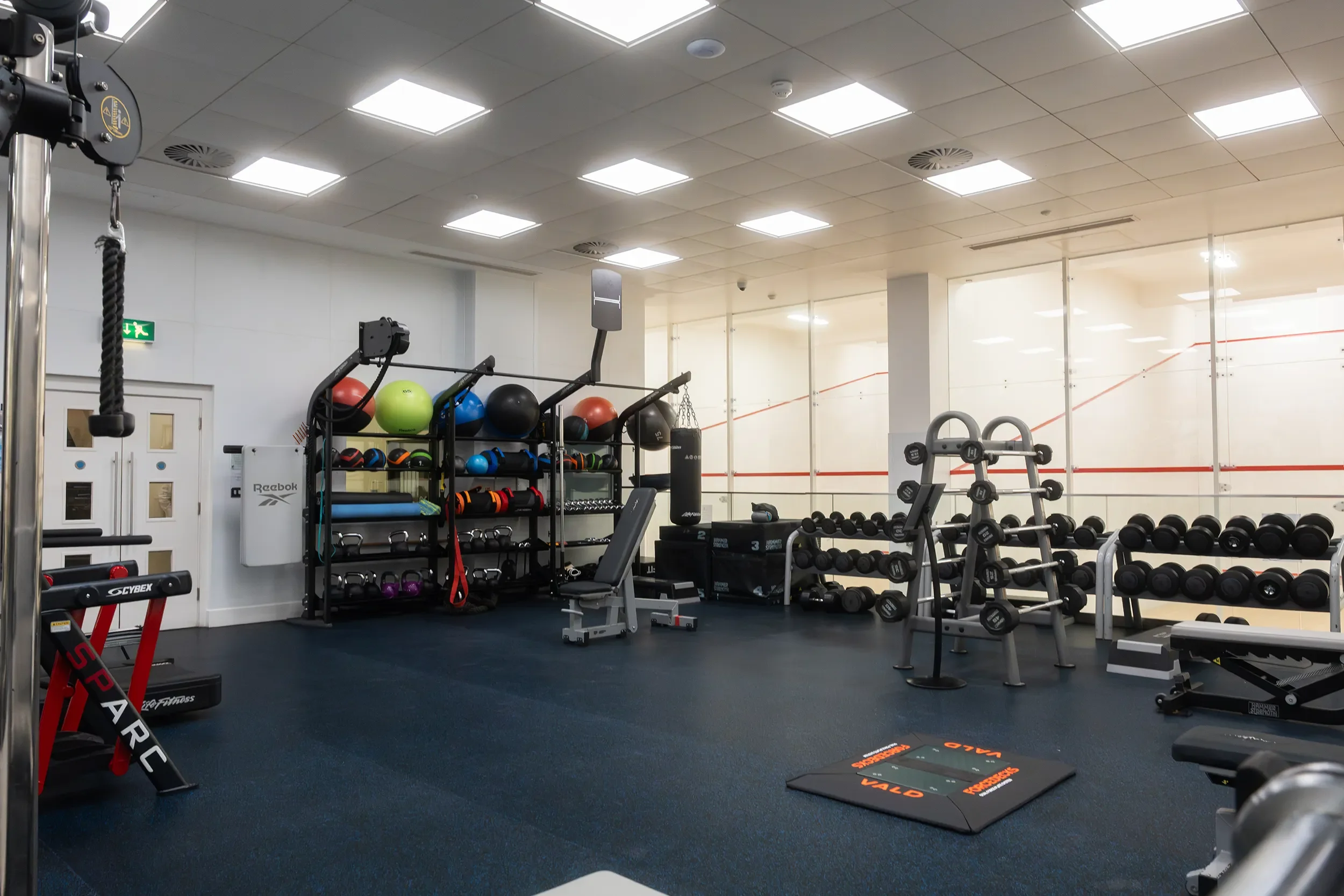
The Club’s gym is set across two floors and includes cardio machines, resistance equipment and free weights. This allows us to progress your rehabilitation from treatment-room assessment into functional, load-bearing exercise within the same visit. Your physiotherapist can supervise your technique, adjust your programme in real time and make sure your exercises are matched to your stage of recovery.
Gym-based rehabilitation may be particularly useful for post-operative recovery, sports injuries, tendon rehabilitation, strength deficits, running-related injuries and return-to-activity planning. For busy patients, the Club’s changing facilities also make it easier to attend, train and return to work or daily life feeling refreshed.
The Lansdowne Club is planning a full gym equipment upgrade in August 2026, further enhancing the rehabilitation environment available to Physio Remedies patients during treatment sessions.
Supervised Pool Access for Clinical Rehabilitation
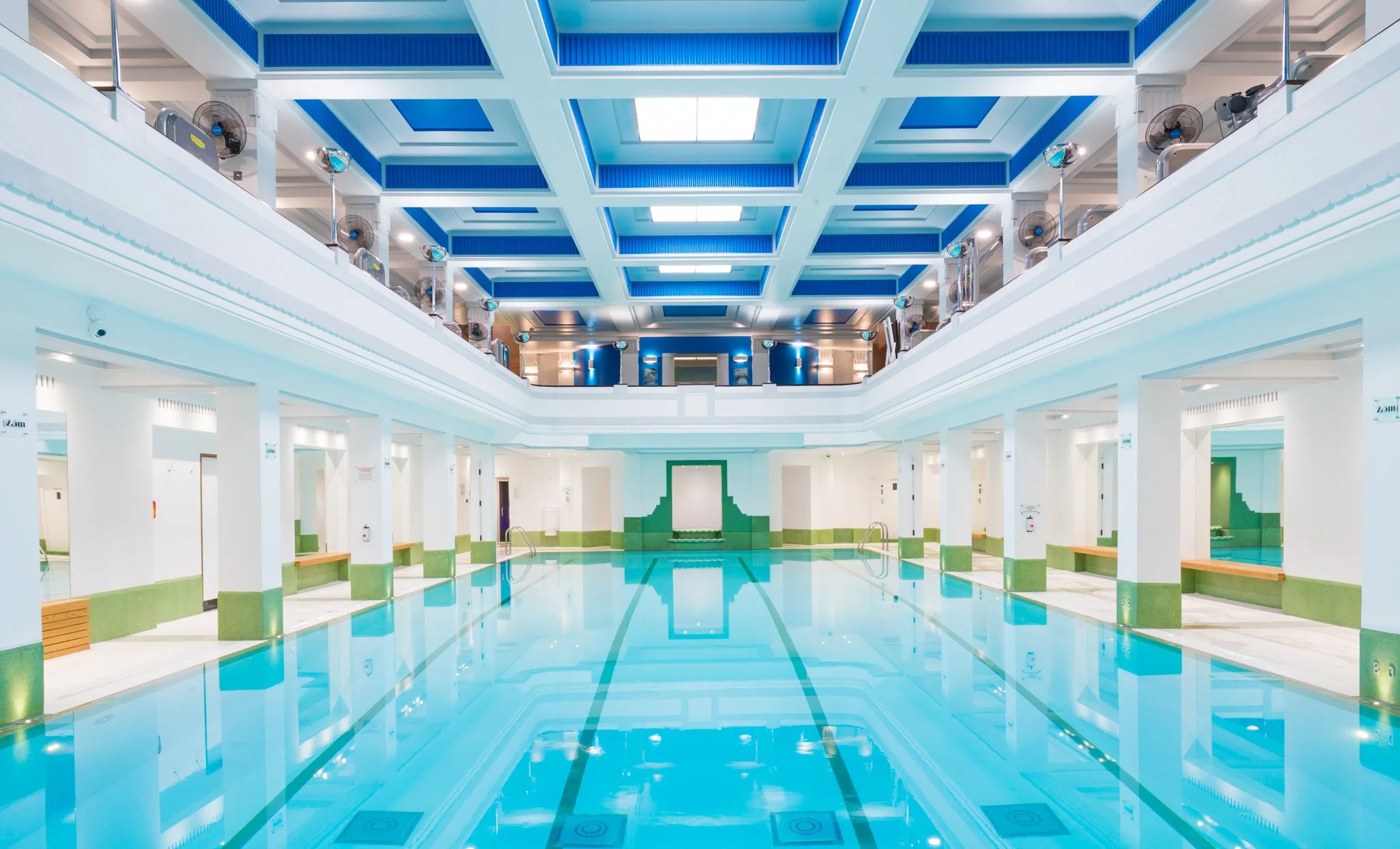
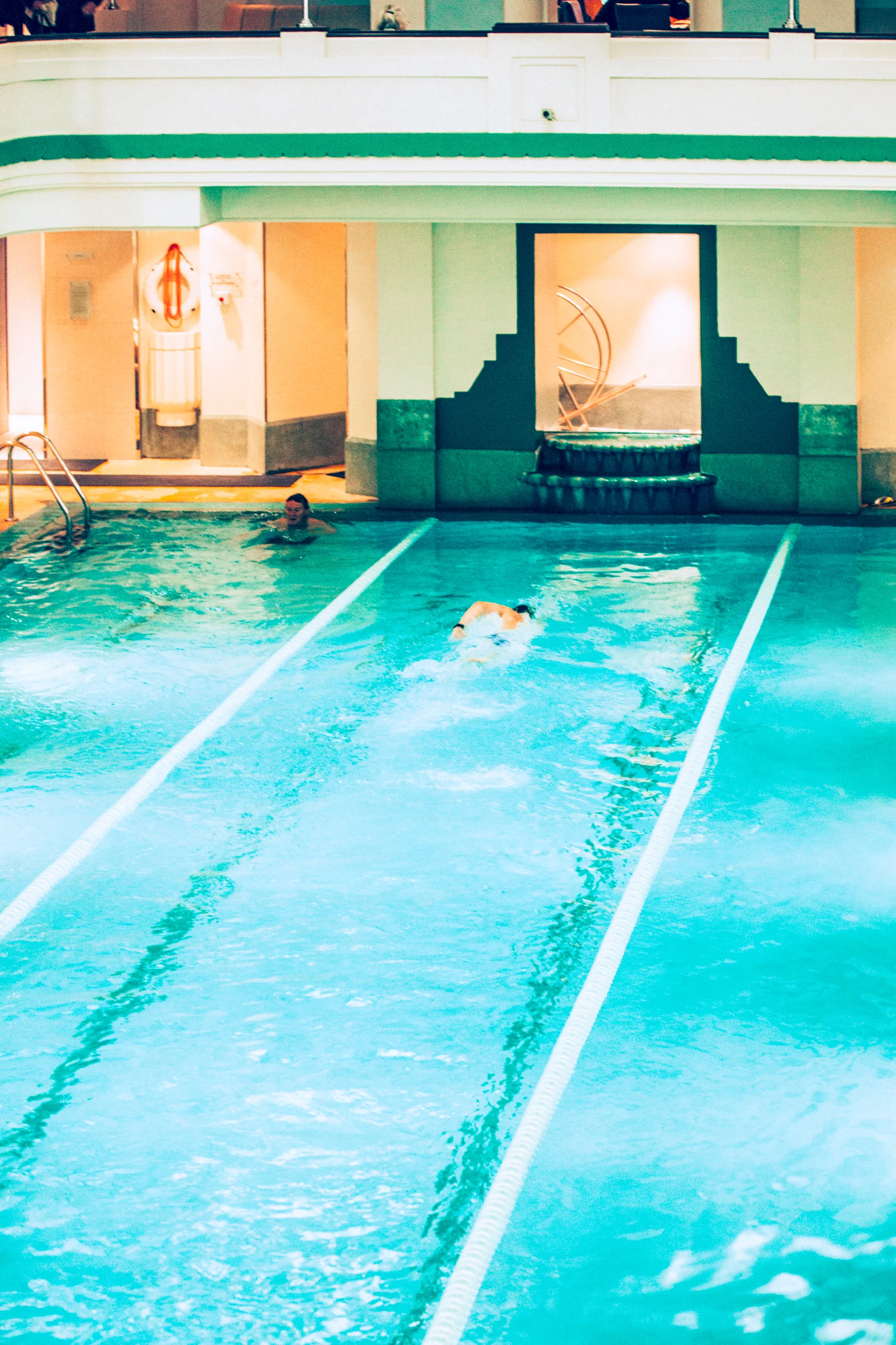
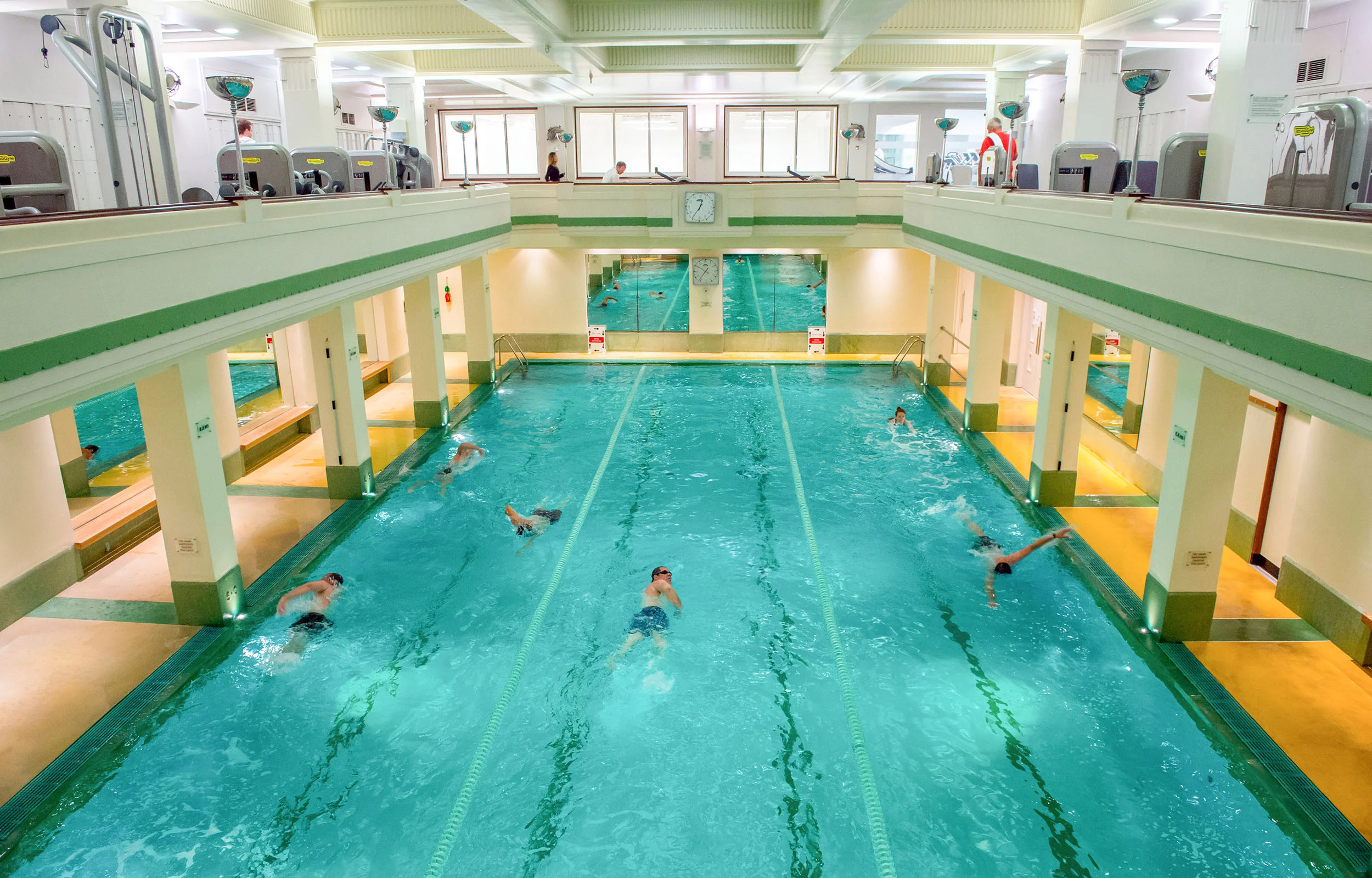
In specific clinical circumstances, our physiotherapists may arrange supervised access to The Lansdowne Club’s swimming pool. This may be appropriate for some post-operative patients, patients who benefit from low-impact movement, or swimmers whose treatment plan includes stroke assessment and technique correction.
It is important to note that this is the Club’s original 25-yard Art-Deco lap pool. It is not a hydrotherapy pool. Pool use within physiotherapy is therefore specific, clinically directed and arranged only where your physiotherapist considers it appropriate. Any pool-based session is conducted under direct physiotherapy supervision.
Who Our Facilities Can Help
Our facilities are particularly useful for patients who need more than a standard treatment room appointment. This may include:
Patients recovering after surgery
Patients recovering after surgery
People with persistent tendon pain or chronic tendinopathy
People with persistent tendon pain or chronic tendinopathy
Runners with recurring injuries or strength deficits
Swimmers who need stroke assessment or technique input
Patients returning to sport after injury
Active professionals who want efficient, supervised rehabilitation in central London
Access to The Lansdowne Club Facilities
Access to The Lansdowne Club’s gym and changing facilities is available to Physio Remedies patients during physiotherapy sessions. Supervised access to the swimming pool may be arranged by your physiotherapist for specific clinical purposes.
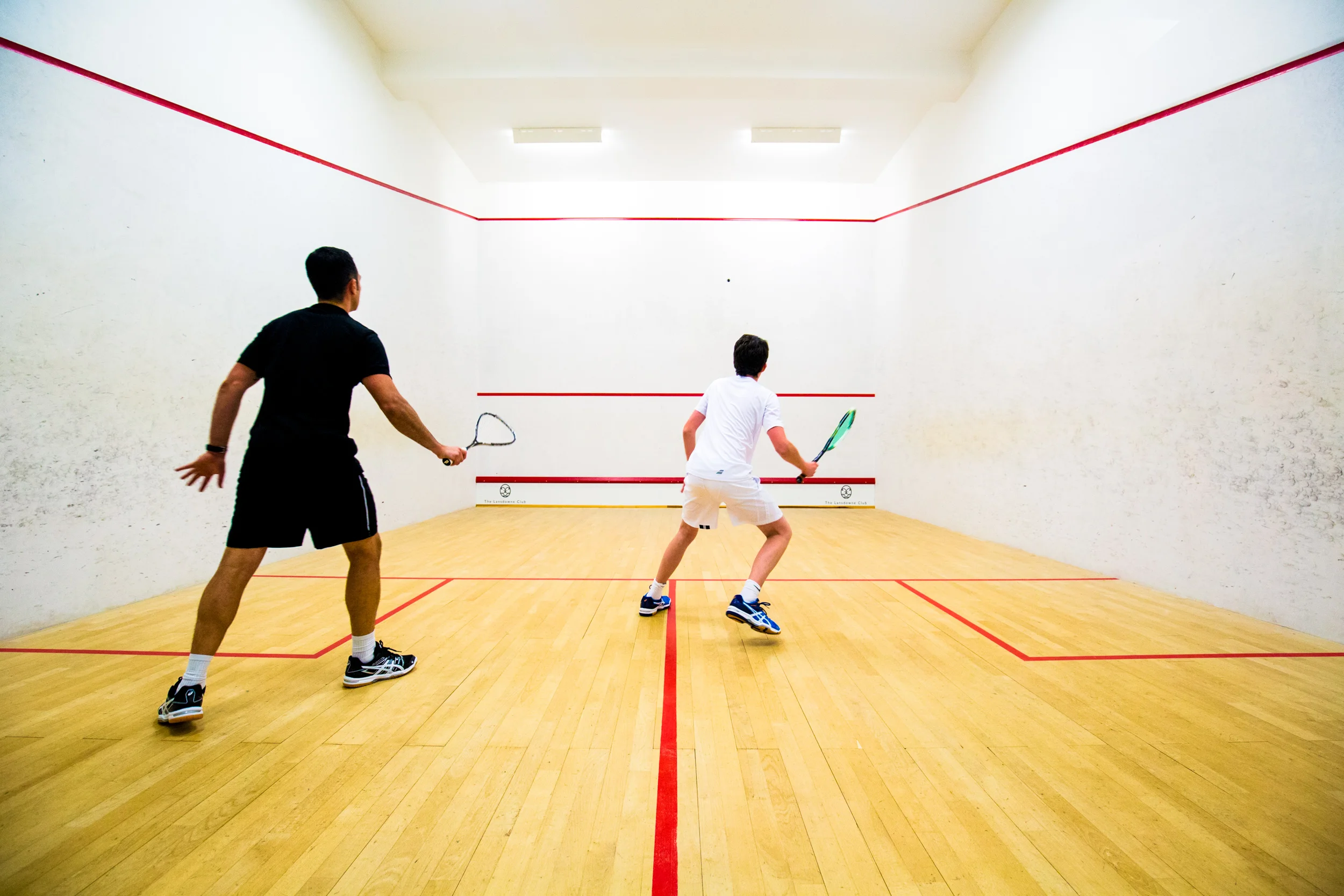
All other areas of the Club - including the squash courts, exercise studio, steam room and social spaces - are reserved exclusively for Club members. If you are already a member of The Lansdowne Club, please let us know when booking, as you may be eligible for a preferential rate on our services.
A Distinctive Rehabilitation Environment in Central London
The combination of specialist physiotherapy, objective assessment technology and access to The Lansdowne Club’s exceptional facilities creates one of the most distinctive rehabilitation environments in central London. Our patients are supported beyond the treatment room, with care that can progress into supervised strength work, functional exercise and, where appropriate, clinically directed pool-based rehabilitation.
From focused shockwave therapy and VALD objective testing to Compex muscle stimulation, blood flow restriction, BlackBoard / Axis Board foot and ankle training, BlazePod reaction training, MAT functional performance assessment and gym-based rehabilitation, every element is designed to support accurate assessment, progressive treatment and confident return to the activities that matter most.
Frequently Asked Questions
-
No. Physio Remedies is based inside The Lansdowne Club, but physiotherapy appointments are available to non-members. Lansdowne Club members may be eligible for a preferential rate.
-
Yes. Physio Remedies patients can access the Club’s gym and changing facilities during physiotherapy sessions where clinically appropriate and as part of their treatment.
-
Yes. Physio Remedies offers focused shockwave therapy for selected chronic tendinopathies where clinically appropriate. It is combined with a structured loading programme, which is essential for effective longer-term tendon rehabilitation. Your physiotherapist will advise whether it is suitable for your presentation.
-
Yes. Physio Remedies provides post-operative rehabilitation using objective testing, progressive exercise rehabilitation, gym-based strengthening and, where appropriate, supervised pool-based work.
-
Yes. We use technologies including VALD ForceDecks, DynaMo and the MAT Movement Assessment Tool to measure strength, balance, range of motion, movement quality, functional performance and readiness to progress. This helps us establish baselines, monitor progression and make more objective decisions about rehabilitation and return to activity.
-
No. The Lansdowne Club has a 25-yard Art-Deco lap pool, not a hydrotherapy pool. Pool access is arranged only where clinically appropriate and supervised by a physiotherapist.