
Sports Physiotherapy in Mayfair, London
Swimming
Swimming is kind to your joints but hard on your shoulders. A single training session involves thousands of shoulder rotations, so a small fault in your catch, body roll or breathing pattern quickly adds up.
Swimming is kind to your joints but hard on your shoulders. A single training session involves thousands of shoulder rotations, so a small fault in your catch, body roll or breathing pattern quickly adds up. Paul has years of experience as lead physiotherapist for GB Swim Paralympians, and Emily is our resident swim coach and a long-distance triathlete. We treat club masters, sprinters, triathletes and open-water swimmers.
Shoulder pain is the most common reason swimmers see us in London, usually rotator cuff irritation or impingement, often called swimmer's shoulder, and sometimes shoulder instability in very flexible swimmers. We also treat neck pain from one-sided breathing, lower back pain from butterfly and breaststroke, and breaststroker's knee on the inside of the knee.
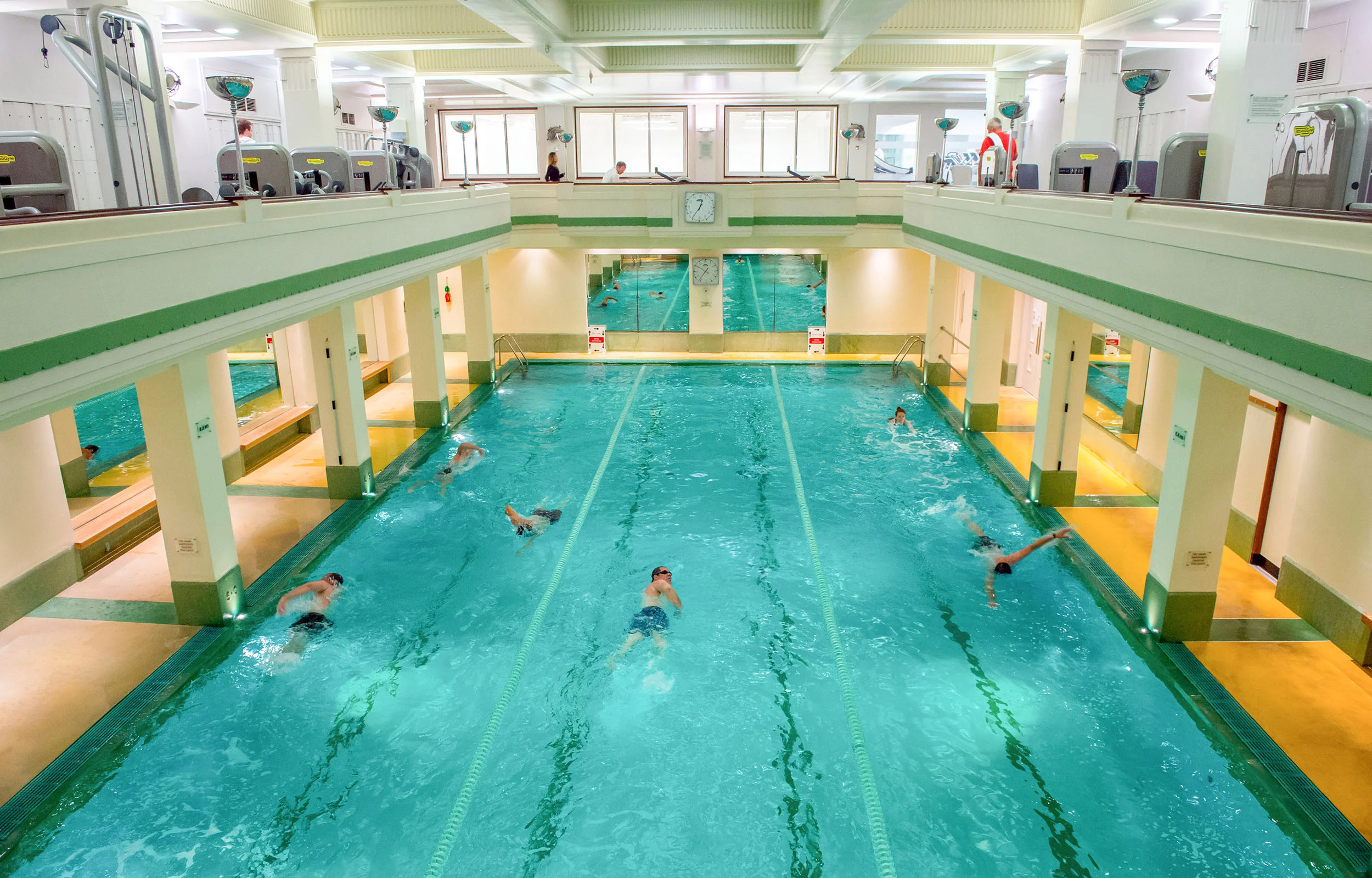
We film you underwater in our 24m on-site pool and combine this with VALD upper limb strength testing on land, so we can see exactly where in your stroke the pain comes from. Our clinic manager, Charlie Frith, first came to us as a patient training for the Channel swim in the Arc to Arc race, and we got her to the start line in the best possible shape.
Your return is phased and measured: kick sets and easy technique work first, then building distance before intensity, with paddles and sprint sets added last. We expect 90% rotator cuff strength symmetry before you return to full training or open-water racing.
Common injuries include
- Rotator cuff injuries
- Shoulder pain
- Shoulder instability
- Cervical radiculopathy
- Back pain
- MCL and LCL injuries