
Shoulder Conditions
Calcific Tendinopathy Treatment and Physiotherapy in Mayfair, London
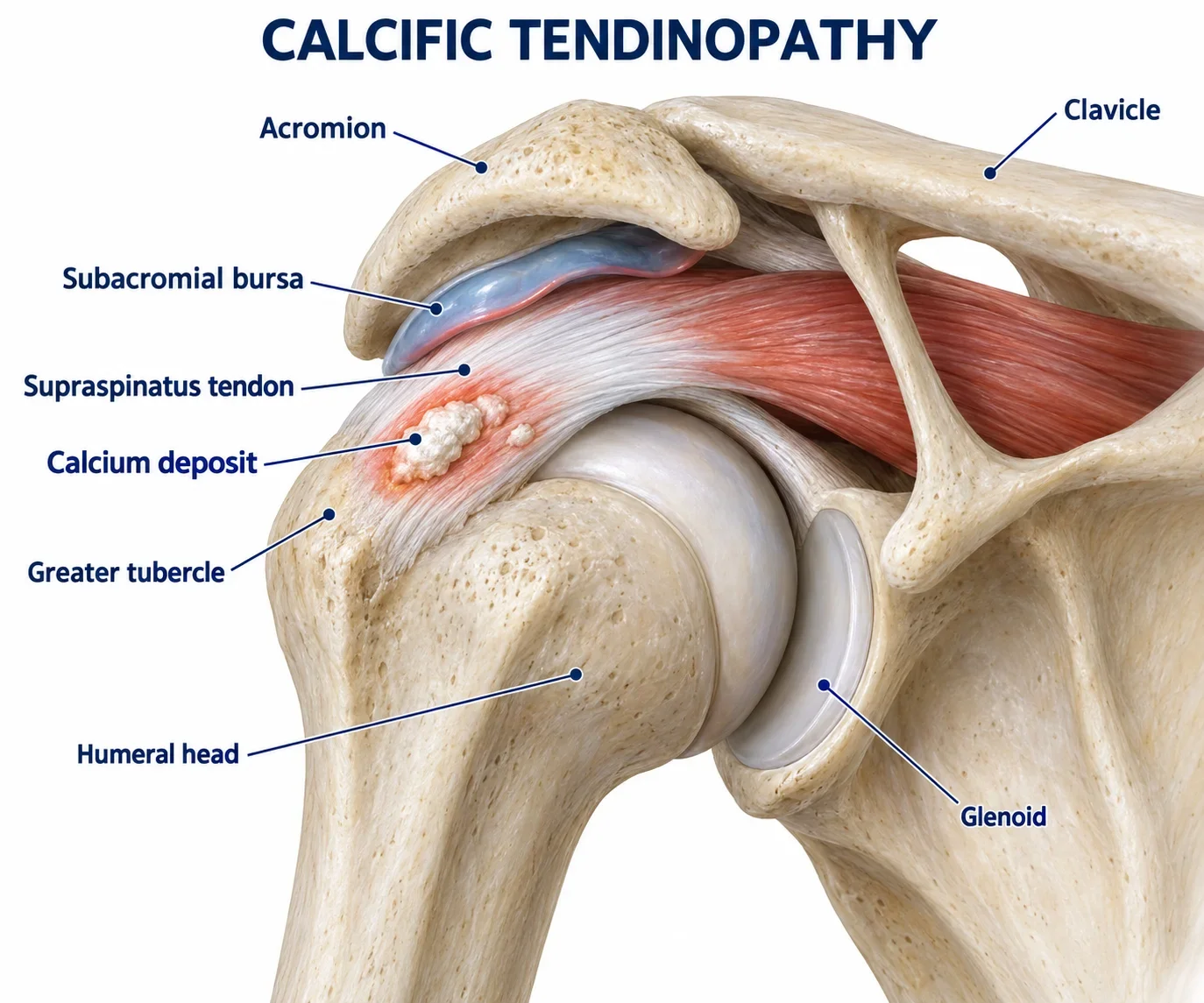
Calcific tendinopathy, also known as Calcific Tendinitis is the one with the most painful of all of the shoulder conditions we treat. Calcium deposits form within the rotator cuff tendon, most commonly the supraspinatus, producing a condition that can range from entirely asymptomatic to acutely painful depending on which phase the deposits are in. Focused shockwave therapy, delivered at the depth and precision that only focused technology provides, breaks these deposits down and accelerates their reabsorption. The evidence is strong, the results are consistent, and the treatment is non-invasive. It is the reason we invested specifically in the Piezowave2 focused shockwave system, and it is one of the most reliably effective treatments we offer.
What does vary significantly is which phase of the condition you are in when you come to us, and that shapes how we use shockwave, what rehabilitation we prescribe, and what to expect from the timeline.
You Might Recognise Yourself Here…
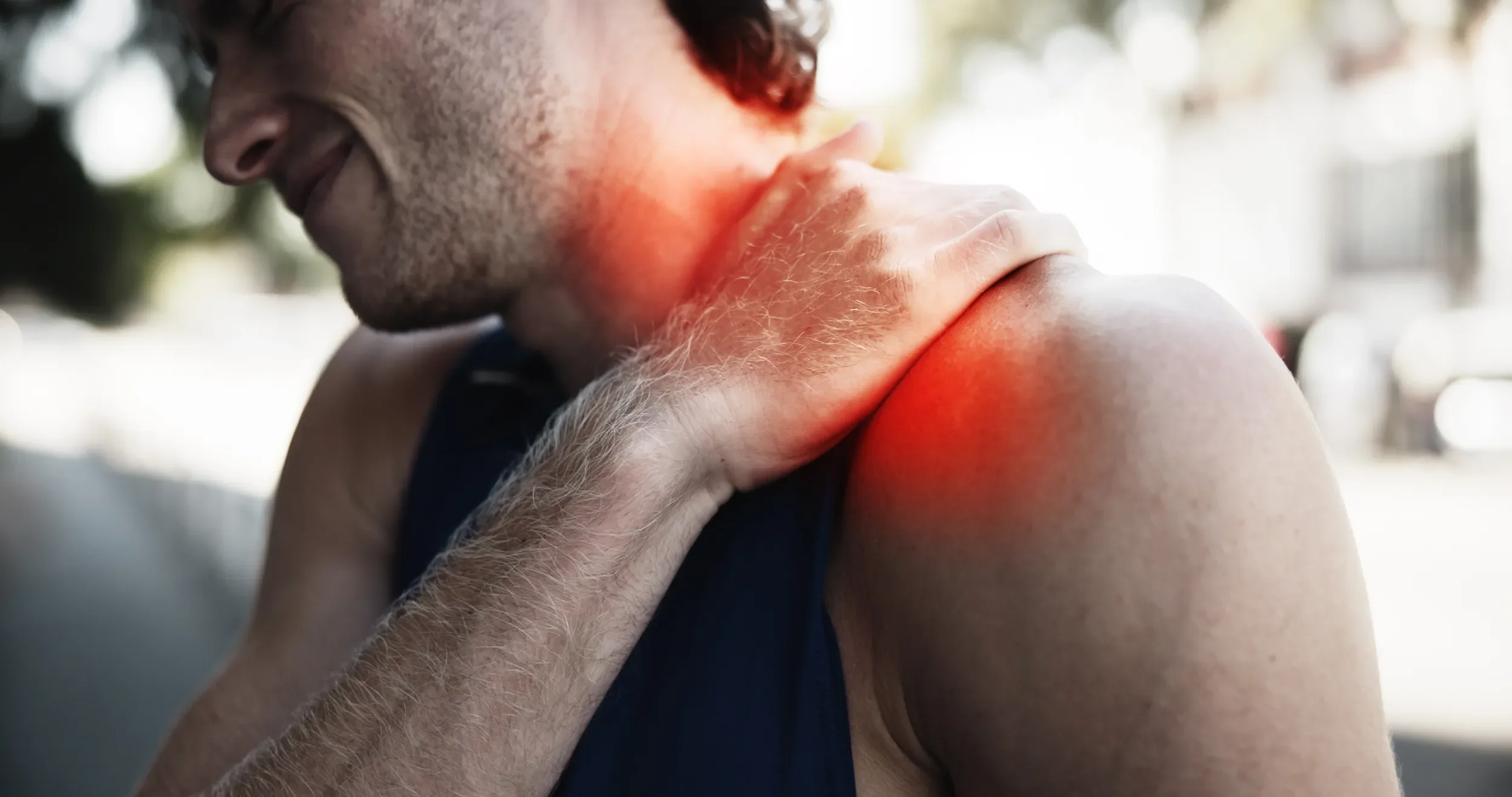
Your shoulder pain came on suddenly and severely, with no obvious injury or trigger. It woke you in the night. You cannot find a position that is comfortable. Moving your arm in certain directions produces pain intense enough to take your breath away. You have never had shoulder pain like this before and you are frightened something serious has happened.
Perhaps you have been told that if shockwave therapy and injections fail, the next step is surgery to remove the deposits. You want to understand whether there is a more effective non-surgical route first.
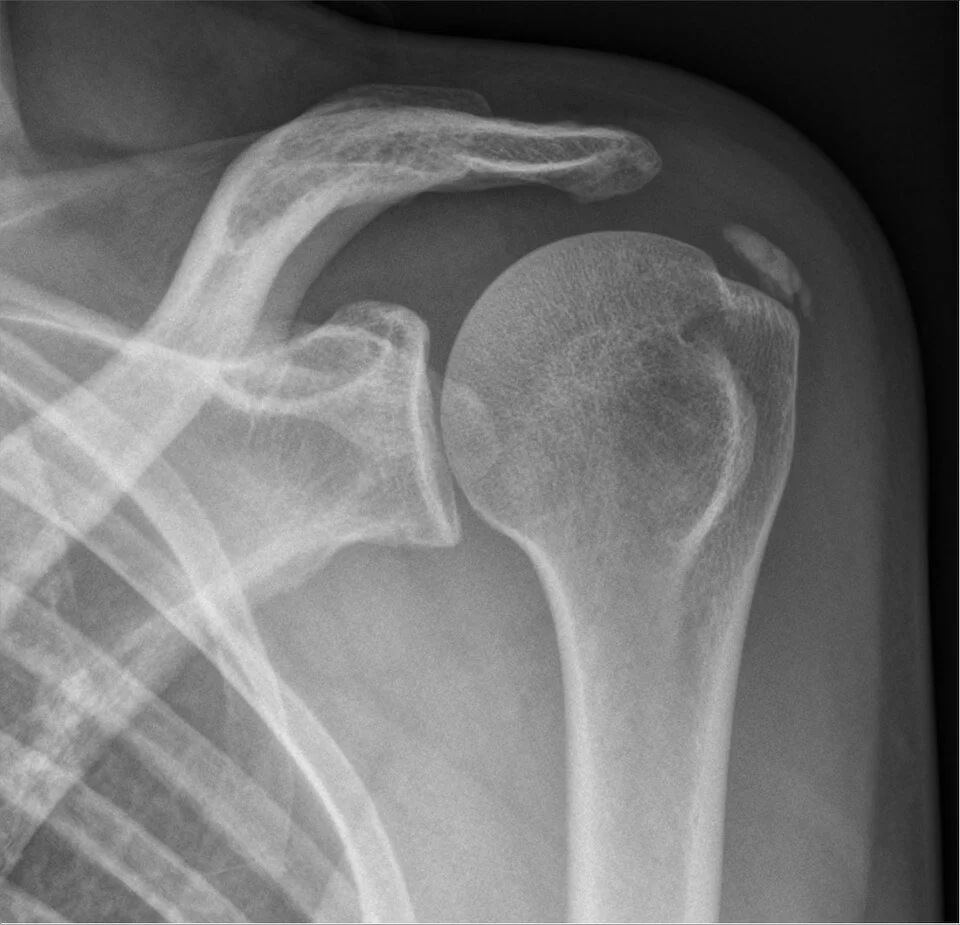
Or you have had a dull, chronic ache in your shoulder for months, sometimes longer. It catches when you lift overhead. You have been told you have calcium in your shoulder on an X-ray or scan. You have tried anti-inflammatories, perhaps a cortisone injection, perhaps some physiotherapy exercises. The calcium is still there, and so is the pain.

Where Calcific Tendinitis Treatment So Often Falls Short
The most common failure in calcific tendinitis management is treating all phases of the condition in the same way. Calcific tendinitis passes through distinct phases, and what helps in one phase can be actively unhelpful in another. Prescribing heavy progressive loading exercises to someone in the acute resorptive phase, for instance, risks inflaming already reactive tissue. Recommending rest and anti-inflammatories to someone in the chronic calcific phase delays the process of breakdown and reabsorption the body needs to complete.
The second common failure is using the wrong type of shockwave therapy. Shockwave treatment is frequently recommended for calcific tendinitis, and the evidence supporting it is strong. However, the evidence relates specifically to focused shockwave, which delivers therapeutic energy with precision to the depth of the affected tendon. The rotator cuff tendons are deep structures. Radial shockwave, which is what the majority of physiotherapy clinics in London use, disperses energy over a broad surface area and does not penetrate to the depth required to effectively break down calcium deposits within the supraspinatus or infraspinatus tendons. Patients who have had shockwave treatment elsewhere and found it ineffective have frequently had radial shockwave. This is not the same treatment.
The third failure is not addressing the shoulder mechanics that existed before and after the calcium resolved. Calcific tendinitis does not develop in a vacuum. The rotator cuff mechanics, scapular control, and movement patterns that were present when the calcium formed will still be present when it resolves, and they increase the risk of the problem recurring or of developing impingement as the calcium reabsorbs. Treating the calcium without addressing the mechanical context misses half the picture.
Our Approach at Physio Remedies
Focused shockwave therapy
Our primary tool for calcific tendinitis is Piezowave2 focused shockwave therapy. Focused shockwave delivers high-energy acoustic waves with precision to the exact location of the calcium deposit, at the depth of the rotator cuff tendon. It works by stimulating the body's reabsorption of the calcium crystals, improving local blood flow, and reducing the pain sensitisation associated with the deposits.
The evidence for focused shockwave in calcific tendinitis is among the strongest in musculoskeletal physiotherapy. Multiple randomised controlled trials have demonstrated significant reduction in deposit size and pain, with many patients achieving complete resolution of their calcium deposits. We typically deliver three to five sessions over several weeks, adjusting intensity and frequency based on your phase of the condition and your response to treatment.
We are one of very few physiotherapy clinics in central London using focused shockwave technology. Radial shockwave, widely available elsewhere, is an entirely different treatment that does not reach the depth of the rotator cuff tendon and has a substantially weaker evidence base for this condition. If you have been told you have had shockwave therapy that did not work, it is worth establishing which type you received.
Phase-specific management
In the acute resorptive phase, when pain is severe, the priority is pain management and protecting the shoulder from activities that aggravate the reactive tissue, while keeping the surrounding musculature active within comfortable ranges. We do not load the tendon aggressively during this phase. Manual therapy and gentle movement work can be helpful. Focused shockwave, used carefully, can accelerate reabsorption and reduce the duration of the most painful period.
In the chronic phase, when calcium deposits are established and pain is a persistent dull ache rather than an acute emergency, focused shockwave is more intensive and combined from the outset with progressive rehabilitation of the rotator cuff and scapular control. The aim is both to break down the deposits and to restore the shoulder mechanics that will prevent recurrence.
Shoulder rehabilitation
Once the acute or most symptomatic phase has resolved, structured rehabilitation addresses the rotator cuff strength, scapular control, and thoracic mobility that support long-term shoulder health. We use VALD handheld dynamometry to measure rotator cuff strength objectively and track recovery. For patients returning to overhead sport after calcific tendinitis, we clear return on the basis of measured strength symmetry between sides, ninety percent of the uninjured side, rather than on the basis of symptom resolution alone.
The Phases of Calcific Tendinitis
Understanding which phase you are in shapes every aspect of management, from how we use shockwave to what rehabilitation we prescribe.
Pre-calcific phase
Changes occur at a cellular level within the tendon before any calcium is visible on imaging. There may be mild shoulder discomfort but often no clear symptoms. This phase is rarely identified because patients do not yet seek treatment.
Formative phase
Calcium deposits form and consolidate within the tendon. Pain at this stage is often mild to moderate and may be intermittent. The deposits appear clearly on X-ray or ultrasound. This is the phase at which many patients first receive a diagnosis, often incidentally during imaging for another reason or when activity levels increase.
Resorptive phase
The body begins breaking down and reabsorbing the calcium. This is the most painful phase, sometimes severely so, with sudden onset that can be genuinely disabling. The calcium has a characteristic creamy or toothpaste-like consistency at this stage. Paradoxically, this phase represents the condition moving toward resolution. It is also the phase where intervention can be most timely and effective.
Reparative phase
The calcium has been reabsorbed or significantly reduced and the tendon begins to heal and remodel. Pain reduces and function returns. Structured rehabilitation during this phase rebuilds the capacity and mechanics the tendon needs for long-term health.
Calcific Tendinitis and Menopause
Calcific tendinitis peaks in the forty to sixty age group and is significantly more common in women than in men. This demographic overlap with perimenopause and menopause is not coincidental. Declining oestrogen levels during this transition affect calcium metabolism and connective tissue quality in ways that increase susceptibility to calcific deposits in the rotator cuff. Women who develop calcific tendinitis during perimenopause or menopause may also find that the inflammatory component of the condition is more pronounced, as the systemic increase in inflammation associated with declining oestrogen makes reactive tissue more reactive still. If you are in this phase of life and developing shoulder pain with or without a confirmed diagnosis of calcific tendinitis, please mention this at your assessment: it shapes both how we treat the condition and how we progress rehabilitation.
When We Refer: Barbotage, Injections, and Surgery
Focused shockwave resolves the majority of calcific tendinitis cases we see without the need for further intervention. For cases that do not respond adequately, or where the acute resorptive phase is causing pain severe enough to prevent any meaningful rehabilitation, we work closely with consultant colleagues who perform barbotage: an ultrasound-guided procedure in which the calcium deposit is located, needled, broken up, and aspirated under local anaesthetic. This is a highly effective technique for acute resorptive phase calcific tendinitis and for large, established deposits that are not resolving with shockwave.
Cortisone injections into the subacromial space can reduce pain and inflammation and create a window for rehabilitation to begin, but they do not address the calcium deposit directly. We discuss the role of injection through our clinical network where it is appropriate to your presentation. Surgical removal of calcium deposits is rarely necessary when shockwave and barbotage have been properly tried, but when it is indicated, we refer to orthopaedic shoulder surgeons we know and trust personally.
Frequently Asked Questions About Calcific Tendinitis
-
Yes, in many cases. Calcific tendinitis is considered largely self-limiting, meaning the body's natural processes will eventually reabsorb the calcium deposits. However, this can take months to years, and the resorptive phase, when it arrives, can be severely painful. Focused shockwave therapy accelerates the reabsorption process significantly, reduces the duration and severity of the painful phase, and produces better outcomes than waiting for natural resolution.
-
This depends on the phase of the condition, the size of the deposits, and the treatment. With focused shockwave, many patients notice meaningful improvement within three to six weeks of beginning treatment, with substantial resolution of both pain and deposit size within three months. Chronic cases with large, well-established deposits may take longer. Left untreated, the condition can persist for one to three years before natural resolution, and some cases do not fully resolve without intervention.
-
Rarely. The large majority of calcific tendinitis cases respond to focused shockwave therapy, with or without barbotage for more resistant cases. Surgery to remove calcium deposits is reserved for cases where both shockwave and barbotage have been appropriately tried without success, and for large deposits causing structural impingement that cannot resolve without removal. We will give you an honest assessment of whether your case is likely to need surgical input.
-
The type of shockwave matters significantly for calcific tendinitis. Radial shockwave, which is the most widely available form, does not penetrate to the depth of the rotator cuff tendon and has a substantially weaker evidence base for this condition. Focused shockwave, which we use, delivers energy with precision to the exact location of the deposit at the depth required. If your previous shockwave was radial rather than focused, you have not yet had the treatment that the evidence supports.
-
In the acute resorptive phase, when pain is severe, exercise that loads the rotator cuff directly should be reduced or temporarily avoided. Activity that does not aggravate the shoulder can continue. In the chronic formative phase, structured progressive exercise is part of treatment and should not be avoided. We will give you specific guidance based on your phase and presentation.
-
Recurrence is possible but uncommon following successful treatment. Addressing the shoulder mechanics and rotator cuff function that were present when the calcium formed, through the rehabilitation phase of treatment, reduces recurrence risk. Patients who complete the full rehabilitation programme, not just the shockwave phase, have lower recurrence rates.
-
If you have already had an X-ray or ultrasound confirming calcific deposits, bring the images or report: it helps us understand the size, location, and likely phase of the deposits from the outset. If you have not had imaging, a clinical assessment will usually indicate whether calcific tendinitis is likely. We can arrange imaging promptly through our clinical network where it would change management.
Book Your Calcific Tendinitis Assessment at Physio Remedies, Mayfair
We will match you with the right physiotherapist for your specific presentation. If calcific tendinitis or shoulder calcification is causing you pain, disturbing your sleep, or preventing you from using your shoulder normally, we would be pleased to assess you at Physio Remedies in the Lansdowne Club, Mayfair. We are a short walk from Green Park and Hyde Park Corner stations.
If you prefer to reach us directly: