
Hand & Wrist Conditions
Boxer’s Knuckle Treatment in Mayfair, London
A painful, swollen knuckle that was fine before training, and is not fine after, is easy to dismiss as bruising. But when the swelling does not settle, when making a fist produces a catching or flicking sensation over the knuckle, or when grip strength has dropped in a way that does not match the apparent severity of the impact, the injury is likely to be more specific: damage to the extensor hood, and in particular to the sagittal band that keeps the extensor tendon centred over the metacarpophalangeal joint.
This is what is clinically described as boxer’s knuckle. It is not a fracture, and it is not a straightforward bruise. It is a soft tissue injury to the retinacular structures on the dorsal surface of the knuckle, and it requires assessment, a structured protection and rehabilitation plan, and a carefully managed return to striking, to resolve fully and without recurrence.
The majority of boxer’s knuckle presentations respond well to conservative management. Those that do not are identifiable early, and early identification changes the outcome significantly.
What Is the Extensor Hood, and What Does the Sagittal Band Do?
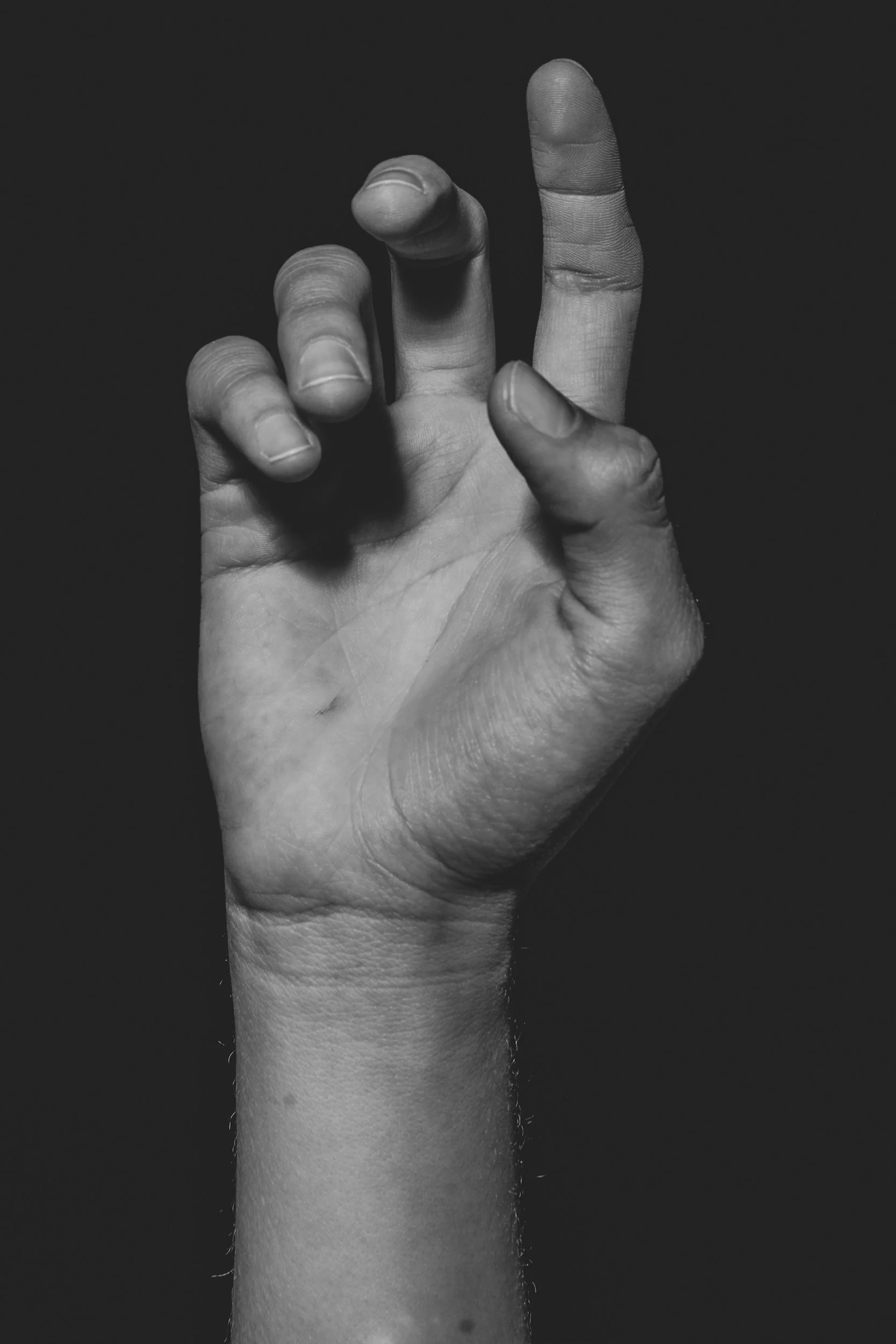
When you extend your fingers, the tendons of the extensor digitorum muscles run down from the forearm across the back of the hand and over each knuckle. At the level of the metacarpophalangeal joint, that tendon needs to stay exactly centred over the knuckle as the finger moves from straight to fully flexed. If it were to slide to one side, the mechanical efficiency of extension would be lost, and the tendon itself would be vulnerable.
The structure that prevents this is the extensor hood, a complex retinacular system that wraps around the knuckle. The sagittal bands are the most important component: two ribbon-like ligamentous structures, one on either side of the tendon, that act as tie-downs, anchoring the extensor tendon in its correct central position during finger flexion. When the radial sagittal band tears, the tendon is no longer held centrally and can slide towards the little finger side of the knuckle as a fist is made. That sliding produces the characteristic snapping or flicking sensation, and it is the clinical sign we look for when establishing whether the injury is stable or not.
Injuries to the dorsal hood account for around 16% of all hand and wrist injuries in boxers, making this one of the more significant hand injuries in striking sports, and one that is frequently underdiagnosed in the acute phase.
Who Gets Boxer’s Knuckle, and How Does It Happen?
The injury is most common in striking athletes: boxers, kickboxers, and those training in MMA who include significant striking volume. The rise in popularity of boxing-based fitness classes we are seeing a growing number of these types of injuries. The mechanism is a direct blow to the knuckle while the finger is flexed and slightly deviated, which is precisely the position of a clenched fist at the moment of impact. The force of a punch landing on a hard surface, an opponent’s head, elbow, or guard, transmits directly through the knuckle, and if the sagittal band is already under stress or catches the force at an unfavourable angle, it tears.
The rear hand is more commonly affected than the lead hand, and the index and middle fingers are the most frequently involved digits. The rear hand travels further to land a punch, generating more rotational force through the wrist and hand at the moment of contact, and that rotation increases the torsional stress on the sagittal band.
A significant proportion of boxer’s knuckle presentations are not from a single dramatic impact. They build gradually, through repeated low-to-moderate force impacts without adequate protection, until the sagittal band’s capacity is exceeded. The contributing risk factors we see consistently are:
Poor hand wrapping technique: insufficient support around the metacarpophalangeal joints allows the knuckle structures to shift under impact load
Inadequate or worn gloves: gloves that have lost padding density or structural integrity concentrate force directly through the knuckle
High striking volume without adequate recovery between sessions
Catching an opponent’s elbow: a hard, angled surface that forces the extensor tendon sideways with minimal warning or preparation
We also see the injury, less commonly, in non-striking athletes and manual workers. Rheumatoid arthritis is a recognised non-traumatic cause, as systemic inflammation can weaken the sagittal band without any single injurious event. If the presentation does not fit the striking sport history, we consider whether a broader inflammatory picture needs attention.
Stable or Unstable: The Clinical Distinction That Drives Everything
The most important question at assessment is whether the sagittal band injury is stable or whether the extensor tendon is subluxing or dislocating with finger flexion. This distinction determines the urgency of imaging, the degree of protection required, and whether surgery needs to be considered.
A stable injury presents with pain and swelling over the dorsal surface of the knuckle, tenderness to direct palpation, and pain with resisted extension. Grip strength is reduced. The finger moves through a full range without any visible or palpable tendon shift. This presentation, which represents the majority of boxer’s knuckle cases, is managed conservatively and does well.
An unstable injury is identified by watching the extensor tendon as the patient makes a fist. If the tendon visibly shifts or flicks to the ulnar side of the knuckle during flexion, that is subluxation, and it tells us the sagittal band has lost its ability to maintain the tendon in its correct position. Where subluxation is present, we arrange diagnostic ultrasound promptly. Dynamic ultrasound is the imaging modality of choice for this injury: it allows real-time visualisation of the tendon moving across the knuckle during finger flexion, providing a level of diagnostic information that static MRI cannot replicate. The findings from that imaging determine whether conservative management is appropriate or whether surgical referral is the right next step.
How We Treat Boxer’s Knuckle
For stable injuries, which are the majority, conservative management is structured around four things: controlling swelling, protecting the extensor hood from further stress, maintaining range of movement, and building back the surrounding strength before returning to striking.
Controlling swelling and offloading the knuckle.
The knuckle is a high-movement, frequently loaded joint, and swelling here is both painful and functionally limiting. Reducing it promptly is a priority. We advise on specific activity modification, identifying and eliminating the loads that are directly stressing the extensor hood, and in the early phase this means no impact work entirely. A splint or buddy-strapping that limits metacarpophalangeal joint flexion may be used to protect the healing sagittal band, particularly in the first two to three weeks.
Maintaining strength through the protection phase.
Avoiding impact does not mean avoiding training. While the knuckle is being protected, we work on maintaining and building strength through the wrist extensors, elbow extensors, and finger extensors. This serves two purposes: it desensitises the extensor hood as it heals, and it maintains the muscular support around the joint that reduces the structural demand on the sagittal band itself. A well-supported knuckle with strong extensor tone is more resilient than one that has been completely rested.
Tendon gliding exercises from the outset.
The risk with any knuckle injury that is heavily protected is joint stiffness. The metacarpophalangeal joint loses range of movement quickly if not moved, and a stiff knuckle in a boxer is a functional problem almost as significant as the original injury. Tendon gliding exercises, performed carefully within comfortable ranges and avoiding the full-crimp fist position in the early stages, maintain the joint’s mobility and keep the extensor tendon moving freely within the hood as healing progresses.
Return to striking: graduated, protected, and sport-specific.
Return to striking is not a single decision. It is a progression managed against the sensitivity of the knuckle and the integrity of the extensor tendon under increasing load. As pain settles and the tendon demonstrates stability across the range of finger movement, we begin reintroducing impact work on soft surfaces. A water bag, which absorbs and distributes force rather than concentrating it on the knuckle, is the standard starting point. Increased padding in the hand wraps and the use of larger, more heavily padded gloves during this phase adds another layer of protection.
Contact sparring is the last element to return, and it is withheld until the knuckle has demonstrated full tolerance to bag work without flare-up. The reason is specific: sparring introduces the unpredictable impact angles, particularly contact with an opponent’s elbow or the top of the head, that place the greatest torsional stress on the sagittal band. Landing on those surfaces before the extensor hood is ready is the most reliable way to re-injure and extend the recovery significantly.
When Is Surgery Required?
Surgery is not the outcome for most boxer’s knuckle presentations. Where the sagittal band tear has produced complete, recurrent extensor tendon dislocation, where conservative management including splinting has been thorough and has failed to restore stability, or where the injury is in a professional or competitive athlete for whom the functional deficit is unacceptable, surgical repair is appropriate. The procedure centralises the extensor tendon and repairs or reconstructs the torn sagittal band. Outcomes are generally good, particularly when the repair is performed before chronic scarring and tendon deformity have developed. If we feel surgery is the right pathway, we refer directly to hand surgeons with experience in extensor tendon pathology.
Frequently Asked Questions
Here are answers to some of the common questions we receive regarding boxer’s knuckle treatment at Physio Remedies.
-
Bruising and swelling after a strike are common and usually resolve within a week or two. The clinical signs that suggest a sagittal band injury rather than simple bruising are: pain that persists beyond two weeks, a catching or snapping sensation when making a fist, visible or palpable tendon shift over the knuckle during finger flexion, and grip strength that has not recovered in proportion to the visible bruising. If any of these are present, come in for assessment.
-
Not in every case. Stable injuries without tendon subluxation can be assessed and managed on clinical grounds alone. Where we identify tendon instability during assessment, dynamic ultrasound is the imaging of choice: it shows the tendon moving in real time and provides information that static imaging cannot. We arrange this through our clinical network and will advise you clearly at your first appointment whether imaging is indicated.
-
Yes, with modification. Impact work on the affected hand is stopped during the initial protection phase, but cardiovascular training, lower body work, and conditioning on the unaffected hand can continue throughout. As the knuckle settles, we reintroduce upper body work progressively, beginning with unloaded and lightly loaded exercise before returning to bag work and then sparring.
-
For stable injuries managed from an early stage, a return to light bag work is typically possible within four to six weeks. Return to full contact sparring depends on how completely the knuckle settles and how the tendon behaves under progressive load. Rushing back into sparring, particularly before full bag work tolerance has been established, is the most common reason for reinjury and extended recovery.
-
We accept Bupa, AXA, and Cigna International. Our initial assessment is £190 for one hour. Please contact us to confirm your cover before your appointment.
Book Your Boxer’s Knuckle Assessment at Physio Remedies, Mayfair
If knuckle pain is keeping you out of training, or if you are not confident the injury has fully resolved, come and see us. We are based at the Lansdowne Club in Mayfair, a short walk from Green Park and Berkeley Square.
If you prefer to reach us directly: