
Foot & Ankle Conditions
Achilles Tendon Rupture Rehabilitation in Mayfair, London
The most consequential decision after a ruptured Achilles tendon is not whether to have surgery. It is how well the rehabilitation that follows is managed. Whether your Achilles tendon rupture was treated with surgical repair or conservative management in a walking boot, the quality of your rehab programme determines your calf strength, your tendon length, your reinjury risk, and ultimately whether you return to the activity you were doing before. Most patients are cleared for return to sport based on time elapsed since the injury. We clear based on what objective testing shows.
At Physio Remedies in Mayfair, we run several Achilles tendon rupture rehabilitations concurrently at any given time. This is a core part of what we do, not a condition we see occasionally. We know which loading windows matter, how to read the signs that healing is progressing well or poorly, and when to refer urgently for imaging or surgical review.
How Is Your Achilles Tendon Rupture Affecting You?
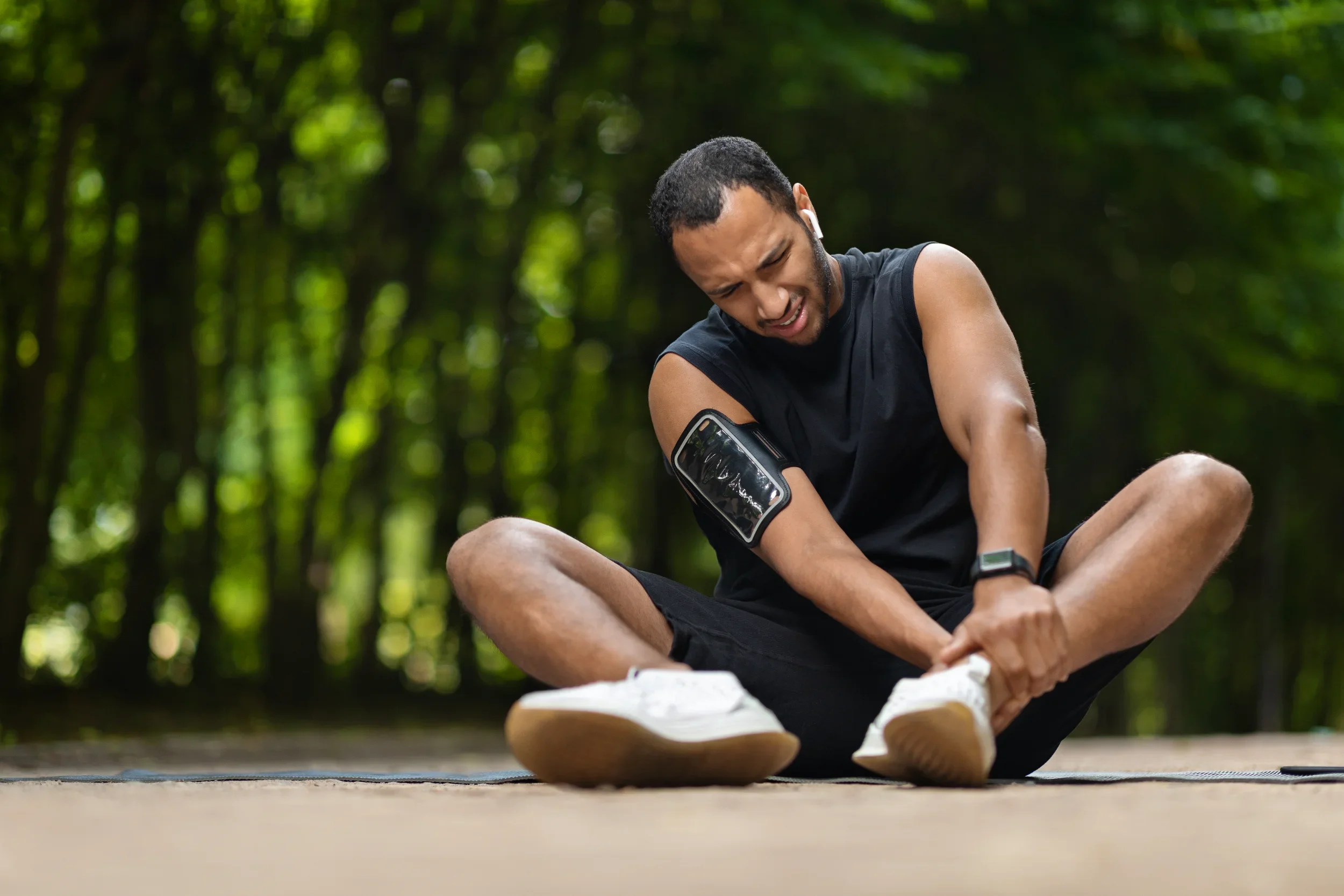
You heard a pop or felt a sudden sharp pain in the back of your ankle during sport or activity. You may have looked around for whoever kicked you, only to realise nobody had. You have been told you have a torn or ruptured Achilles and you are trying to understand what happens next.
You had Achilles repair surgery or chose conservative management some months ago. Rehabilitation has been inconsistent and your calf still feels significantly weaker than the other side. You are not confident the tendon can handle what you are asking of it.
You are several weeks into recovery in a walking boot and the early stages feel manageable. But nobody has given you a clear picture of the months ahead, what the milestones are, or how you will know when you are ready to progress.
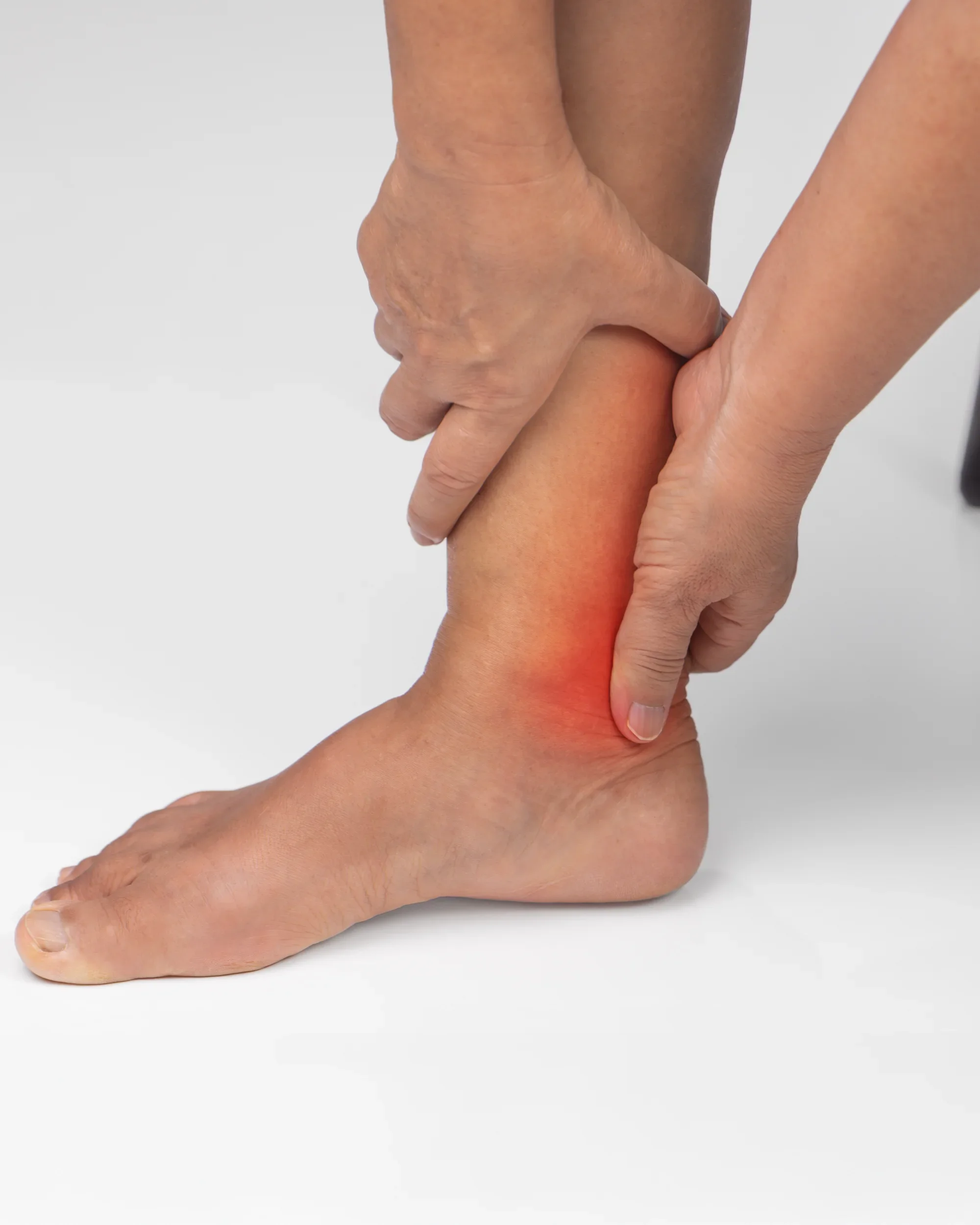
You have been told your injury is a partial Achilles rupture rather than a complete tear. The advice you have received has been vague and you are not sure whether you need the same structured rehabilitation programme or a different approach entirely.
Why Achilles Tendon Rupture Recovery So Often Falls Short
We see a consistent pattern in patients who come to us after inadequate rehabilitation elsewhere. The problems fall into three categories.
The first is under-loading. Tendons heal and rebuild capacity through progressive mechanical stress. Too many rehabilitation programmes are too cautious for too long, leaving the calf weak and the tendon lengthened. The result is a tendon that has technically healed but cannot handle the demands of the activity the patient wants to return to. We see this repeatedly: patients who have been through months of rehabilitation, been cleared, returned to sport, and re-ruptured within weeks because the tissue was never adequately strengthened.
The second is the absence of objective strength testing. The question is not whether the ankle moves or whether it feels better. The question is what percentage of the other side’s calf strength has been recovered. We use VALD hand-held dynamometry to measure this throughout rehabilitation. Our 90% symmetry threshold is non-negotiable before return-to-sport clearance. Most programmes do not test this at all.
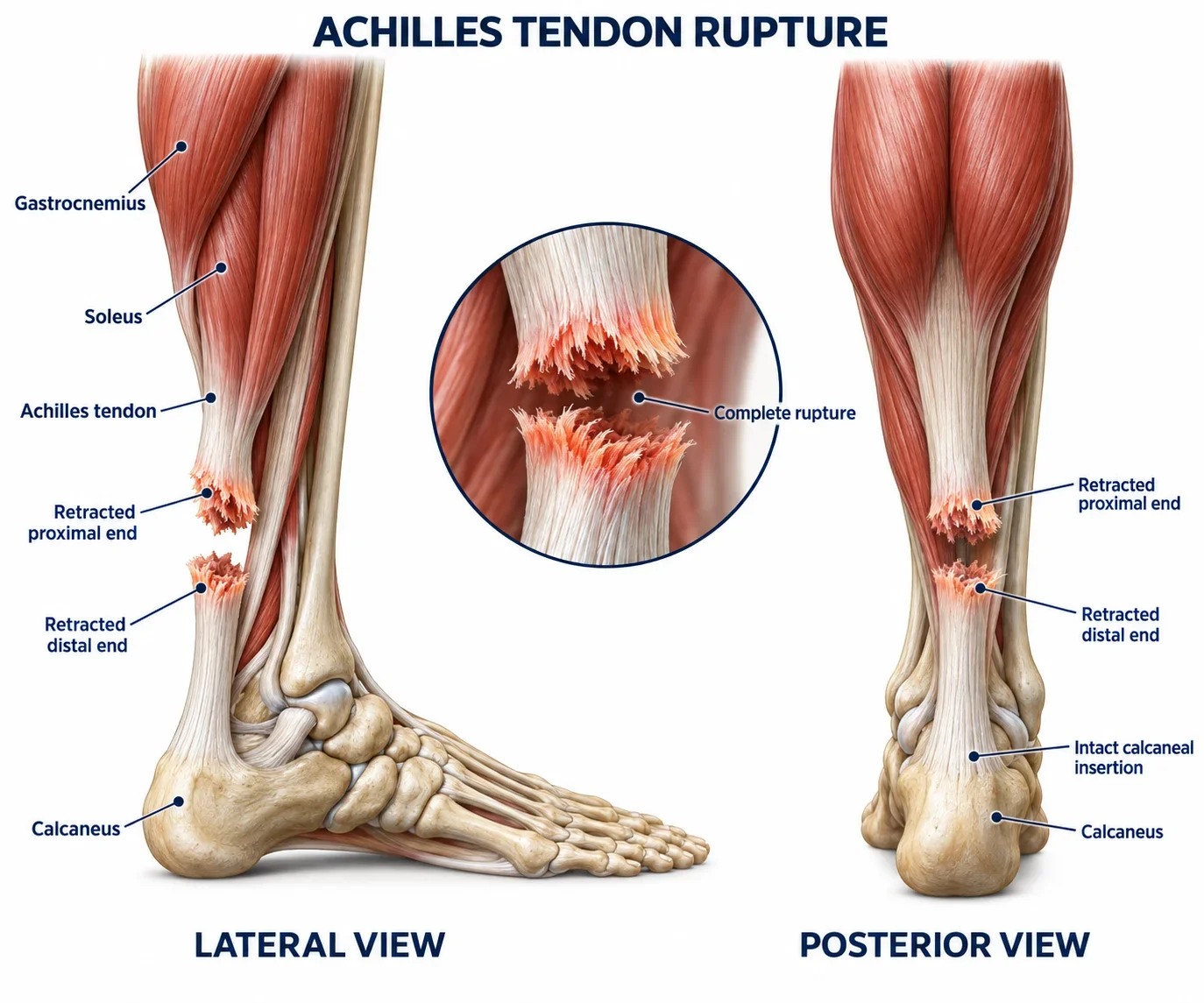
The third is a failure to protect tendon length during early recovery. If a conservatively managed Achilles tendon rupture is not loaded at the correct ankle angle and at the right time in the walking boot, the tendon can heal in a lengthened position. The result is permanent loss of push-off power that is very difficult to correct after the fact. Getting the early boot management and initial loading right matters enormously. If we are concerned about how a tendon is healing, we can arrange urgent imaging and orthopaedic review within days.
Achilles Tendon Repair Surgery or Conservative Management: What We Advise
Both pathways produce good outcomes when rehabilitation is well managed. The choice depends on the size of the tendon gap, your age, activity goals, and overall health. Surgical Achilles repair carries a marginally lower re-rupture rate and may be the better option for younger, more active patients with a large gap who want to return to high-demand sport. Non-operative management in a walking boot, typically a VACOped or Aircast, avoids the risks of surgery including infection and wound complications, and produces comparable results in many cases.
We work closely with foot and ankle surgeons and sports medicine physicians across London. If you come to us immediately after a ruptured Achilles tendon, we will assess you thoroughly and refer directly for imaging if needed. If Achilles repair surgery is recommended, we coordinate your pre-operative preparation and post-operative rehabilitation in close communication with your surgeon, following their protocol precisely. If conservative management is chosen, we take full responsibility for structuring the loading programme from day one.
One factor that receives insufficient attention is underlying health. Diabetes affects tendon healing significantly, altering both the quality of repair and the rate of recovery. Certain medications including fluoroquinolone antibiotics and long-term steroids increase tendon vulnerability before a rupture and affect healing after one. We assess and account for these factors in how we structure your programme.
Partial Achilles Tendon Rupture
A partial Achilles rupture, where the tendon is torn but not completely severed, is often more difficult to diagnose than a complete rupture and is frequently underestimated. It requires a similarly structured rehabilitation approach: progressive loading, objective strength testing, and a clear return-to-sport protocol. A partial tear that is returned to activity too early has a significant risk of completing the rupture. We assess partial ruptures carefully, arrange imaging where the clinical picture is unclear, and manage rehabilitation with the same rigour as a complete rupture.
Our Approach to Achilles Tendon Rupture Rehabilitation
Early Phase:
Protection and Controlled Loading (Weeks 1 to 8)
The priority in the early phase is ensuring the tendon heals at the correct length and ankle angle, and that initial loading is introduced at the right time. We work within your surgeon’s or consultant’s walking boot protocol and communicate directly with them if we have concerns about how healing is progressing. Bilateral calf work begins carefully, with load and range of motion progressed according to how the tendon is responding rather than a fixed calendar.
Strength Building Phase (Weeks 8 to 20)
This is where Achilles tendon rupture rehabilitation is won or lost. Progressive heavy slow resistance training rebuilds the tendon’s load capacity systematically. We use VALD dynamometry to test calf strength at regular intervals, tracking recovery against the uninjured side and adjusting the programme based on what the data shows. Where appropriate, Blood Flow Restriction training allows us to build meaningful calf strength without placing the full mechanical load through the healing tendon, which is particularly useful in the earlier part of this phase. The milestone for progressing to impact activity is 80% symmetry. The target for return to sport is 90%.
Return to Running and Sport (Weeks 20 Onwards)
Return to running after an Achilles tendon rupture is introduced only once objective strength thresholds are met, not based on how the ankle feels or the number of months since injury. We use VALD ForceDecks to assess explosive power through hopping tests and progress running, cutting, and sport-specific drills in a structured sequence. Many patients arrive at this phase having already been cleared elsewhere, only to find they cannot pass our strength and power benchmarks. That is not a failure: it is the system working correctly and protecting them from re-rupture.
Realistic Recovery Timelines for Achilles Tendon Rupture
Comfortable walking typically returns between six and twelve weeks depending on the severity of the rupture and the management pathway. Return to recreational running or sport takes six to nine months for most patients. Return to competitive sport typically takes nine to twelve months. Return to elite-level sport may take longer than twelve months. These are honest timelines based on what the evidence and our clinical experience shows. The timeline is not fixed: it is determined by how your tendon responds to loading and how quickly you regain calf strength. We will tell you where you stand against the benchmarks at every stage.
When We Refer
If we are concerned about your progress at any point, whether the tendon is healing too long, strength gains have plateaued, there are signs of re-rupture, or conservative management is not producing the expected result, we refer directly and quickly. We have established relationships with orthopaedic surgeons with a specific interest in Achilles problems and can arrange imaging and specialist review within days. We accept Bupa, AXA, and Cigna International insurance, and we can arrange private MRI or ultrasound without a GP referral.

“I ruptured my Achilles tendon playing squash last September. My consultant surgeon strongly recommended Physio Remedies, who have an excellent reputation for helping athletes recover and return to sport in the best possible condition. I’m being treated by Naomi Murray, who closely follows the latest international research on Achilles injuries, which is very reassuring. The rehab plan has always been clear, progress has been excellent, and follow-up is very responsive whenever I have questions. Her patients’ recovery and long-term outcomes are clearly a genuine priority for her. The facilities at the Lansdowne Club are also outstanding and make a real difference to the quality of the rehabilitation. I would definitely recommend Physio Remedies.”
Frequently Asked Questions
Here are answers to some of the common questions we receive regarding Achilles tendon rupture at Physio Remedies.
-
No. Both surgical Achilles repair and conservative management in a walking boot produce good outcomes when rehabilitation is properly structured. The right choice depends on the size of the tendon gap, your age, activity goals, and overall health. We will give you a clear recommendation and refer you for surgical opinion if that is the appropriate route.
-
A complete Achilles tendon rupture typically produces a sudden sharp pop or snap at the back of the ankle, followed by difficulty pushing off or standing on tiptoes. Many people are able to walk after a rupture, which frequently leads to it being mistaken for a sprain. If you have felt a sudden pop or snap at the back of your ankle, come in for assessment promptly. We can examine you clinically and arrange ultrasound or MRI imaging the same day if needed.
-
Comfortable walking typically returns between six and twelve weeks. Return to recreational running usually takes six to nine months. Return to competitive sport takes nine to twelve months or longer. The honest answer is that recovery time is determined by your strength and tissue response, not by the calendar, and we will test you objectively throughout rather than estimate based on time alone.
-
Return to running after an Achilles tendon rupture requires a minimum of 80% calf strength symmetry compared to the uninjured side, the ability to perform single-leg hopping without pain or apprehension, and no reactive pain in the 24 hours following loading. For most patients this milestone is reached between five and seven months, though it varies significantly depending on the severity of the rupture and the quality of rehabilitation. We test objectively rather than estimate.
-
No, not in the conventional sense. Stretching a healing Achilles tendon into dorsiflexion beyond what your walking boot or protocol permits risks elongating the tendon as it heals, which is one of the most common and most avoidable causes of poor long-term outcomes. Progressive loading, not stretching, is what rebuilds tendon capacity. We will guide you carefully on what ankle movement is appropriate at each stage of your recovery.
-
Re-rupture risk is significantly reduced by structured rehabilitation that reaches adequate calf strength before returning to sport. The majority of re-ruptures we see in patients who come to us post-re-rupture occurred after being cleared too early, without objective strength testing. Our 90% symmetry threshold before return-to-sport clearance exists specifically to address this.
-
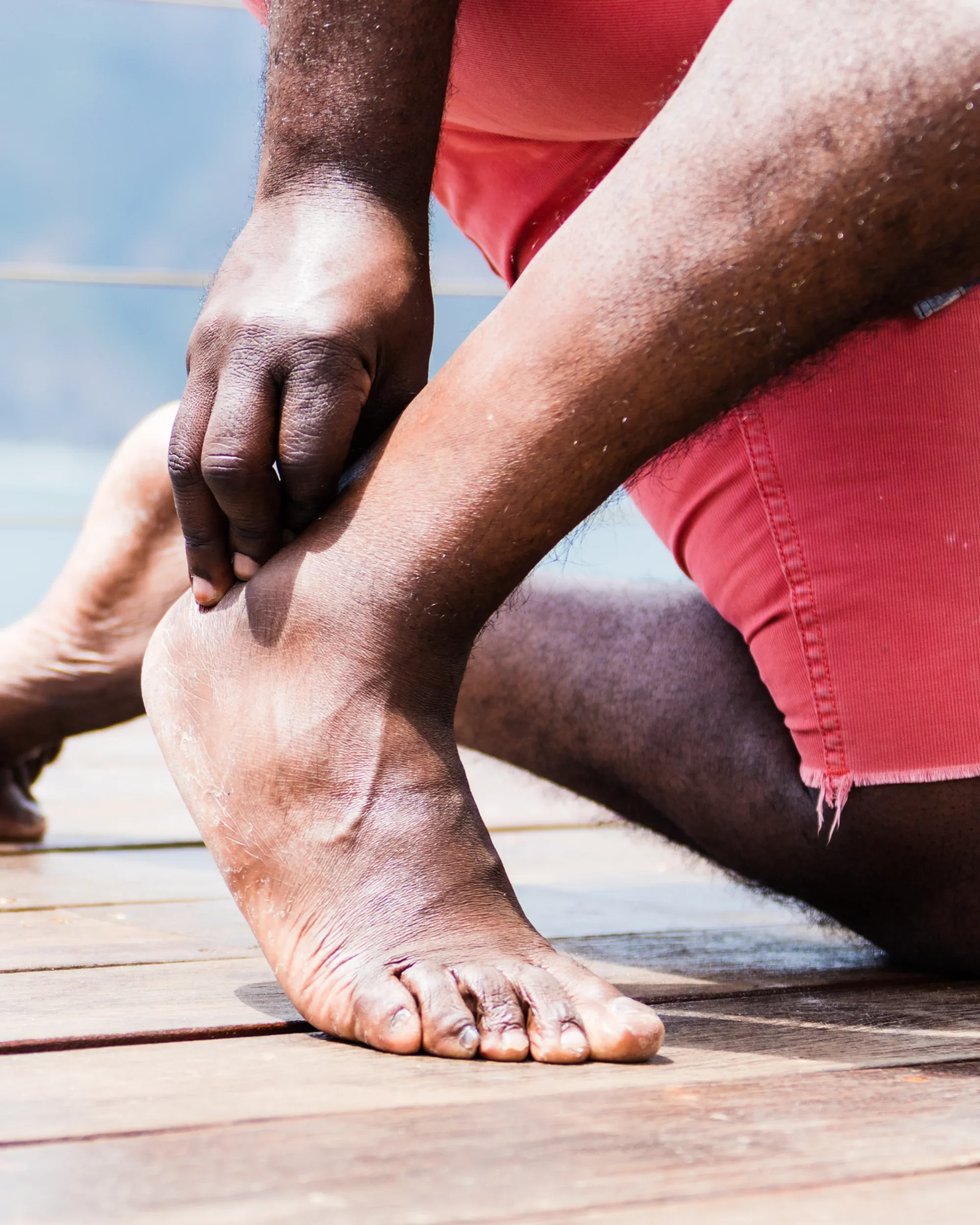
Residual calf weakness months after an Achilles tendon rupture is common but not something to simply accept. If your calf feels significantly weaker than the other side, you have not yet reached the strength levels required for safe return to full activity, regardless of what you may have been told. Come in for VALD strength testing and we will tell you exactly where you stand and what needs to happen next.
Book Your Achilles Tendon Assessment in Mayfair Today
Ready to finally resolve your Achilles tendon pain? Booking your assessment at our Mayfair clinic is simple.
If you prefer to reach us directly: