
As the spring marathon season approaches, training volumes peak, and it is entirely common for runners to seek our expertise. The highest proportion of running injuries occurs from the knee downwards, with foot and ankle injuries accounting for a significant percentage of all running-related issues. This is hardly surprising, considering this region of the body is responsible for transmitting the most substantial forces from the ground up through the kinetic chain.
The specialist team at Physio Remedies in Mayfair is highly qualified in treating running-related lower limb injuries. We can pinpoint specific biomechanical inefficiencies that precipitate injury, providing bespoke advice and tailored treatment plans to help our time-poor, active clients reclaim their active lifestyles efficiently.
Here, we explore some of the most common foot, ankle, and knee running injuries, alongside expert prevention and treatment strategies.
Plantar Fasciitis
What is it? Plantar Fasciitis is a prevalent, chronic running injury characterized by severe, sharp pain at the arch of the foot and the heel. Sufferers typically find the pain is most acute first thing in the morning when taking their initial steps out of bed.
Why does this happen? The plantar fascia is a thick band of tissue running across the sole of your foot. It becomes painful and inflamed due to an excessive increase in loading—such as a sudden spike in running intensity, duration, or distance. Additionally, intrinsic factors such as tight calf muscles, a high arch, or suboptimal footwear can make you significantly more prone to this condition.
What are the treatment options? Immediate relief strategies include rest, applying ice to the bottom of the foot, and utilizing anti-inflammatories. For sustainable, long-term relief and future injury prevention, our physiotherapists conduct a comprehensive functional assessment. We evaluate lower limb biomechanics, foot mobility, intrinsic foot muscle strength, and perform a detailed gait analysis. We will prescribe specific strengthening exercises to correct muscle imbalances, ensuring you can train optimally and remain injury-free. Furthermore, we collaborate with elite podiatrists and biomechanists—including our partners at Profeet and Footscope—to advise on appropriate footwear and custom orthotics if required.
Achilles and Patellar Tendinopathy
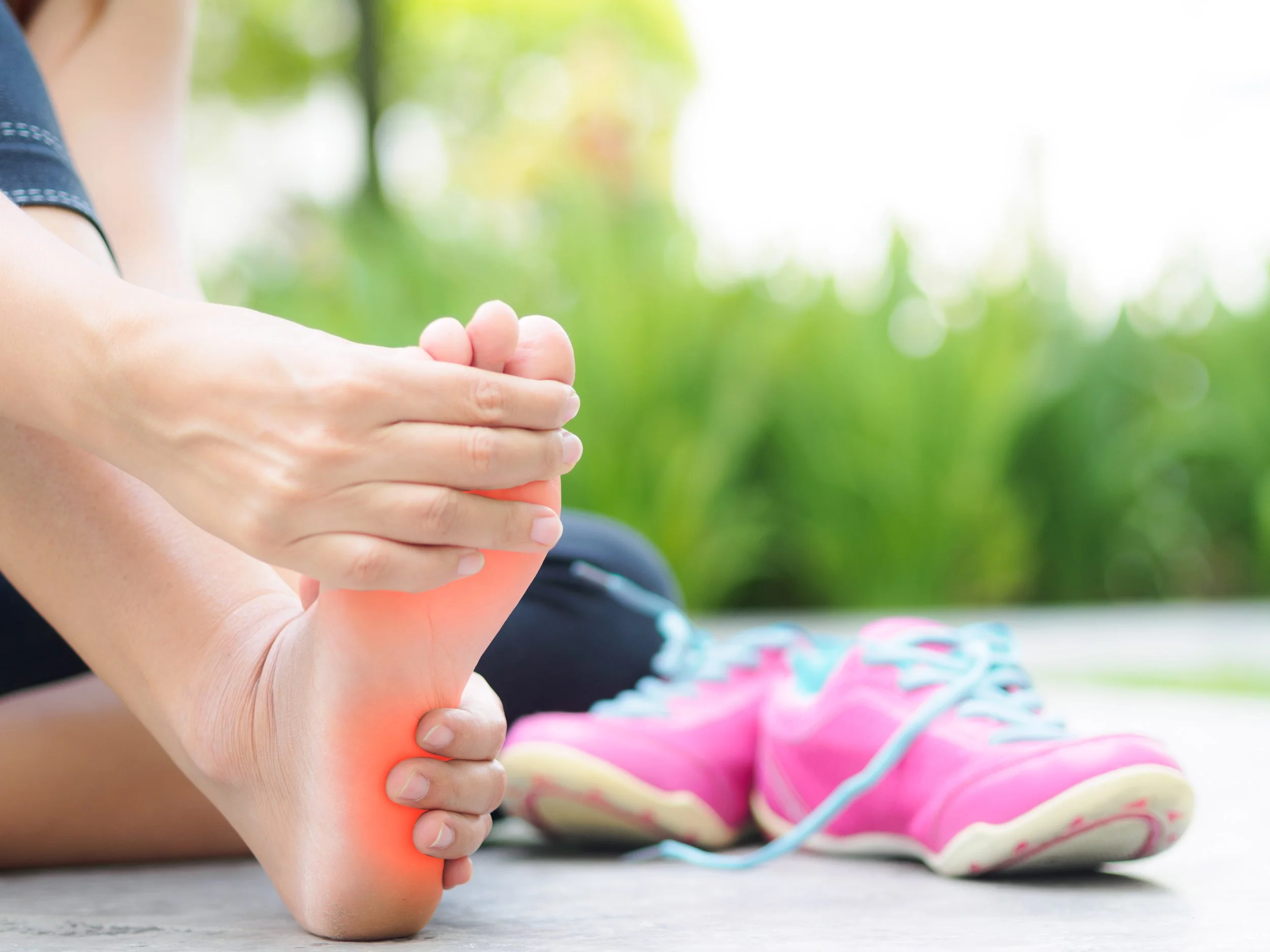
What are they? Tendinopathies are overuse injuries that cause pain, stiffness, and impaired function in the tendons. Achilles Tendinopathy affects the large tendon attaching the calf muscles to the back of the heel, causing a burning sensation and stiffness. Patellar Tendinopathy (often referred to as Jumper’s Knee) affects the tendon connecting your kneecap to your shinbone, presenting as pain just below the patella, particularly during running or jumping activities.
Why do they happen? Tendon pain usually develops when the tendon is exposed to more load than it can tolerate over time. Achilles issues are frequently driven by a lack of flexibility, tight or weak calf muscles, excessive pronation, or a sudden increase in hill training and speed work. Patellar tendinopathy is similarly caused by repetitive stress and overload on the knee joint.
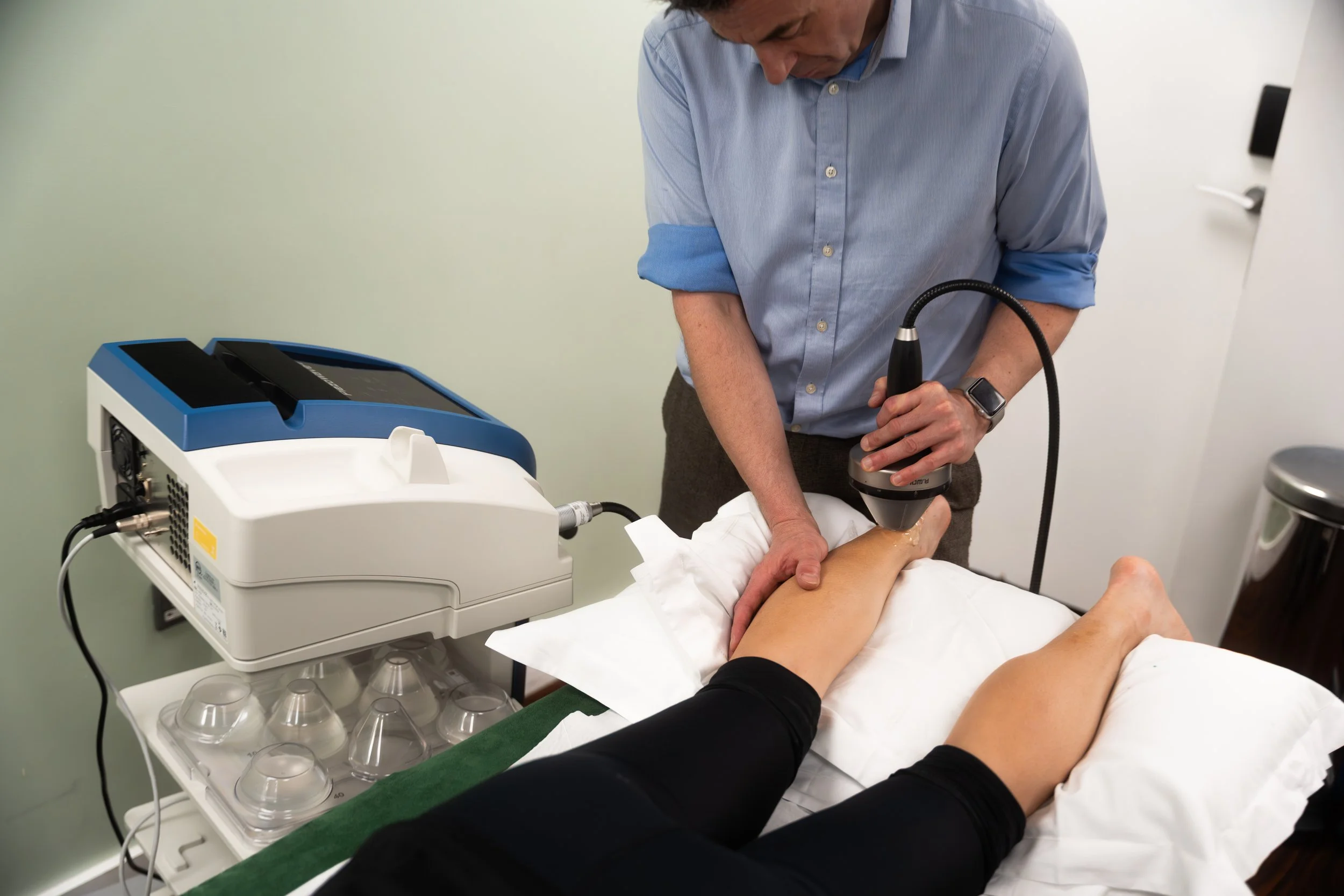
What are the treatment options? While initial rest can settle acute flare-ups, prolonged rest is detrimental to tendon health. Tendons require progressive, structured loading to heal and remodel. At Physio Remedies, we offer a highly specialized Tendon Recovery Package that combines expert physiotherapy with advanced Piezowave2 Focused Shockwave Therapy. This gold-standard technology delivers targeted energy deep into the tendon to stimulate powerful healing. Our structured pathways ensure a swift return to peak performance.
Ankle Sprain
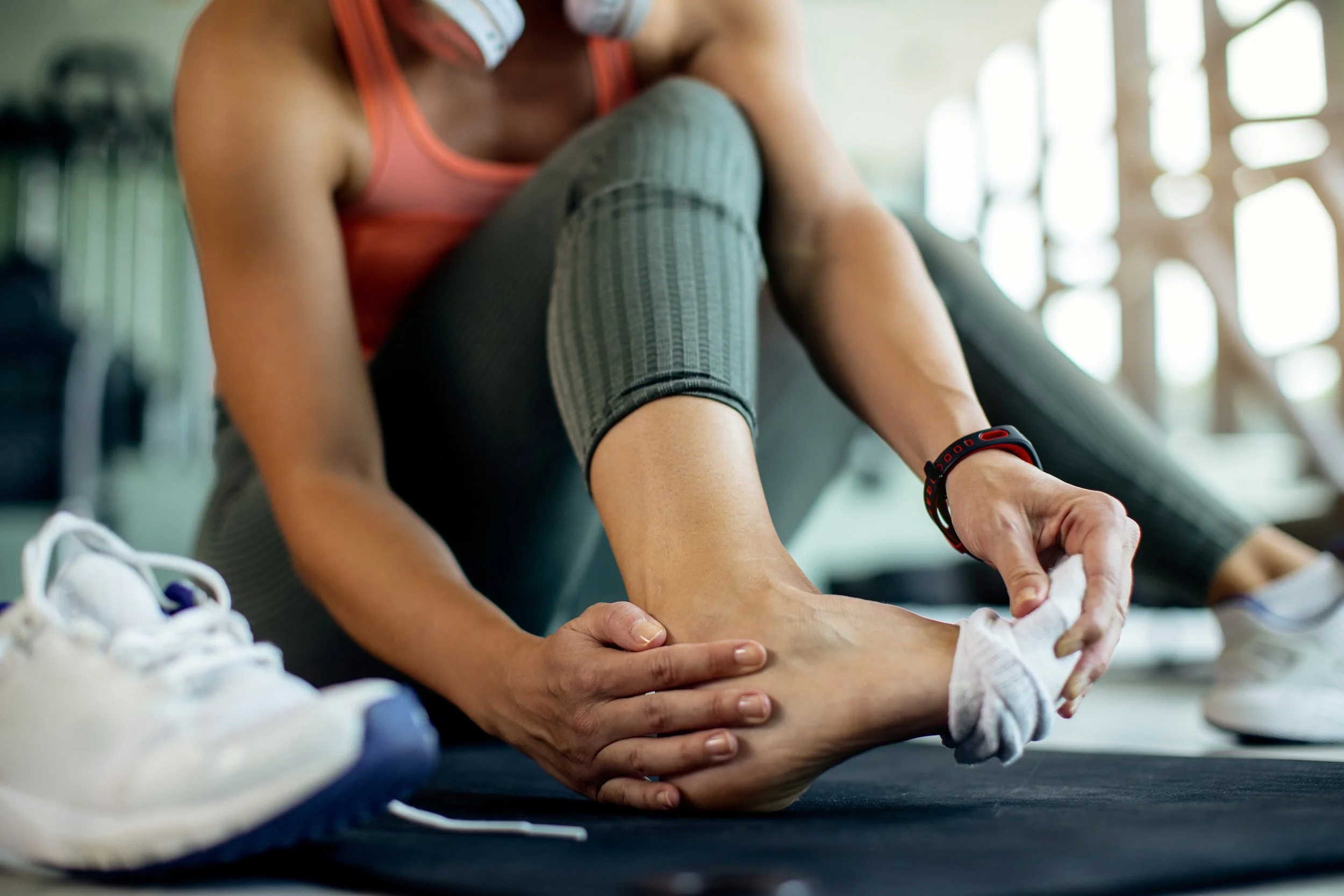
What is it? Ankle sprains are among the most frequent acute injuries, occurring when the ligaments supporting the ankle are stretched beyond their limits or torn.
Why does this happen? For runners, this typically happens after a misstep or tripping on an uneven surface, causing the foot to roll inwards (inversion) or outwards (eversion). Risk factors include a history of previous ankle injuries, muscle fatigue, poor proprioception (balance), and wearing inappropriate footwear.
What are the treatment options? Even a seemingly mild, grade 1 sprain necessitates a full, physio-led rehabilitation plan. Without proper rehabilitation, the ankle remains vulnerable to chronic instability and recurrent sprains. Treatment focuses on restoring range of motion, rebuilding strength, and enhancing balance and proprioceptive control.
Shin Splints (Medial Tibial Stress Syndrome)
What is it? Shin splints refer to pain felt along the inner edge of your shin bone (tibia). The pain is usually diffuse and spread out along the bone, distinguishing it from the more localized pain of a stress fracture.
Why does this happen? This syndrome is an inflammation of the muscles, tendons, and bone tissue around your tibia. It is predominantly an overuse injury, often triggered by a rapid increase in running volume or frequency. Runners with flat feet or insufficiency in the Tibialis Posterior tendon are particularly susceptible due to over-pronation, which places excessive stress on the lower leg structures.
What are the treatment options? Initial treatment requires modifying your training load to allow the inflammation to subside. Our physiotherapists will design a targeted exercise program focusing on increasing arch control, strengthening the lower leg muscles, and improving hip and core stability to reduce the load on the shins. We also provide expert advice on footwear and liaise with specialists for custom orthotics to correct underlying biomechanical faults.
Anterior Knee Pain (Patellofemoral Pain)
What is it? Anterior knee pain, clinically known as Patellofemoral Pain (PFP), is an umbrella term for pain at the front of the knee and around the kneecap. It is incredibly common, affecting up to 2.5 million runners annually. You may notice pain when ascending or descending stairs, squatting, walking uphill, or sitting with bent knees for prolonged periods. You might also experience "crepitus"—a cracking or grinding sound in the knee—which is a normal phenomenon and not a sign of joint damage.
Why does this happen? PFP is rarely caused by a single issue; rather, it is the result of a "shopping bag of risk factors." These include poor dynamic control of the hip and femur (often due to weak gluteal muscles), quadriceps weakness or delayed firing, tight musculature (such as the calves, hamstrings, or IT band), and training errors. In some cases, the pain may stem from the impingement of Hoffa’s fat pad—a highly sensitive structure located just behind the patellar tendon.
What are the treatment options? Management requires a highly specific, tailored approach. We conduct a thorough assessment to identify your unique contributing factors. Treatment typically involves strengthening the gluteal muscles (particularly Gluteus Medius and Maximus) to improve hip and pelvic stability, alongside carefully prescribed quadriceps strengthening to optimize patellar tracking without overloading the joint. We also utilize taping techniques, soft tissue release, and provide guidance on running mechanics and load management to ensure a safe return to the roads.
How Physiotherapy Can Help Runners
Whether you are dealing with a persistent tendon issue, an acute sprain, or nagging knee pain, elite physiotherapy is paramount to your recovery.
At Physio Remedies, we do not just treat the symptoms; we identify and address the root biomechanical causes.
By strengthening weak muscles, improving mobility, and utilizing advanced modalities like focused shockwave therapy, we facilitate a faster, more robust recovery.
If a running injury is holding you back, do not wait for it to become chronic.
Book a consultation with our friendly team of specialist physiotherapists.
We will create a bespoke, highly efficient treatment plan designed to seamlessly integrate into your busy schedule, ensuring you are fully recovered and ready for your next goal event.